🇦🇬 Moving to Antigua and Barbuda from the UK
Antigua and Barbuda is a twin-island nation in the Eastern Caribbean. Antigua is the busy main island; Barbuda is its quieter sister, 48 km north.
Antigua holds the capital St John's, the airport, around 96,000 people, and the famous "365 beaches, one for every day of the year." Barbuda is home to roughly 1,600 people in and around Codrington, its single main village, with pink-sand beaches, the world-famous Frigate Bird Sanctuary, and a unique system of communal land ownership unbroken since 1834. The country has been independent since 1 November 1981.
For the Antiguan and Barbudan Diaspora in the UK, US and Canada, this guide gives you what you need to decide honestly: citizenship, real cost of living, healthcare, property, banking and the practical first steps. We cover both islands properly. They live different lives, and any honest relocation guide has to respect that.
Identity and Culture
Before the practicalities, this is the place. Its symbols, its sound, its flavour. Antigua and Barbuda is one nation but the two islands have different rhythms, and the page reflects that throughout.
National Flag
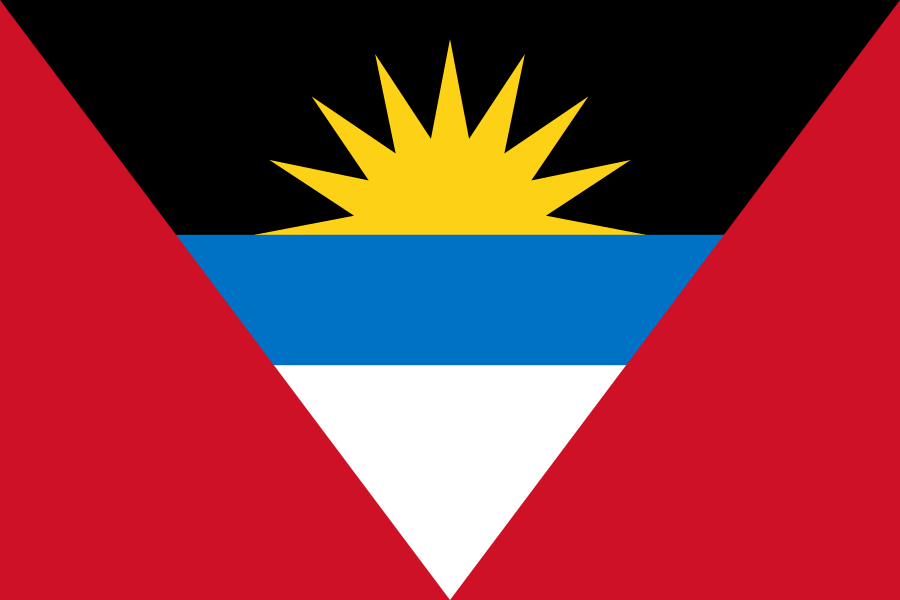
Adopted on 27 February 1967 ahead of associated statehood, the flag was designed by Sir Reginald Samuel, an Antiguan. A red field with an inverted V of black, blue and white meeting at the centre, carrying a half-sun of seven golden rays. The colours: red for the dynamism of the people, black for the African heritage, blue for hope and for the surrounding sea, white for the beaches, gold sun for a new era.
The flag was chosen from the entries to a national design competition held in 1966, ahead of associated statehood the following year. Its shape carries meaning of its own: the V stands for victory, the rising sun marks the dawn of a new era, and the band of gold, blue and white beneath the sun stands for the sun, the sea and the sand of both islands. Sir Reginald Samuel, who won the competition, went on to design the national coat of arms as well. The flag flies in a 2:3 ratio and is raised at schools, sporting fixtures and national occasions.
Coat of Arms
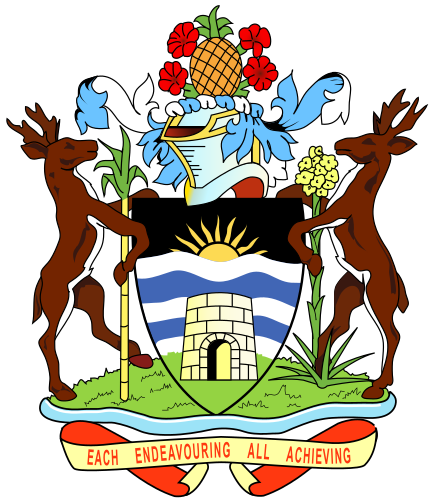
Designed by the same Sir Reginald Samuel and granted in 1967. The shield carries a sugar mill (in homage to the sugar industry that shaped the islands), with pineapple, sugar cane and hibiscus around it. The supporters are a buck deer (introduced to Barbuda) and a fallow deer (introduced to Antigua). Above, a pineapple. Below, a scroll with the national motto.
National Motto
“Each Endeavouring, All Achieving.”
The line is taken straight from the national anthem and sums up the country’s ethos: the nation moves forward when every citizen strives and everyone shares in what is achieved. It is inscribed on the scroll at the base of the national coat of arms.
Government House
National Anthem
“Fair Antigua, We Salute Thee.”
Words by Sir Novelle Hamilton Richards (poet, author and President of the Senate), with music by church organist Walter Garnet Picart Chambers, both created in 1967 when the islands entered free association with Britain.
It was re-adopted as the national anthem at full independence in 1981, when the opening verse was revised to name both islands and reflect full sovereignty. “God Save the King” remains the royal anthem. It is sung at schools, national ceremonies and official occasions, its themes being unity, freedom and devotion to the twin-island nation.
National Dish
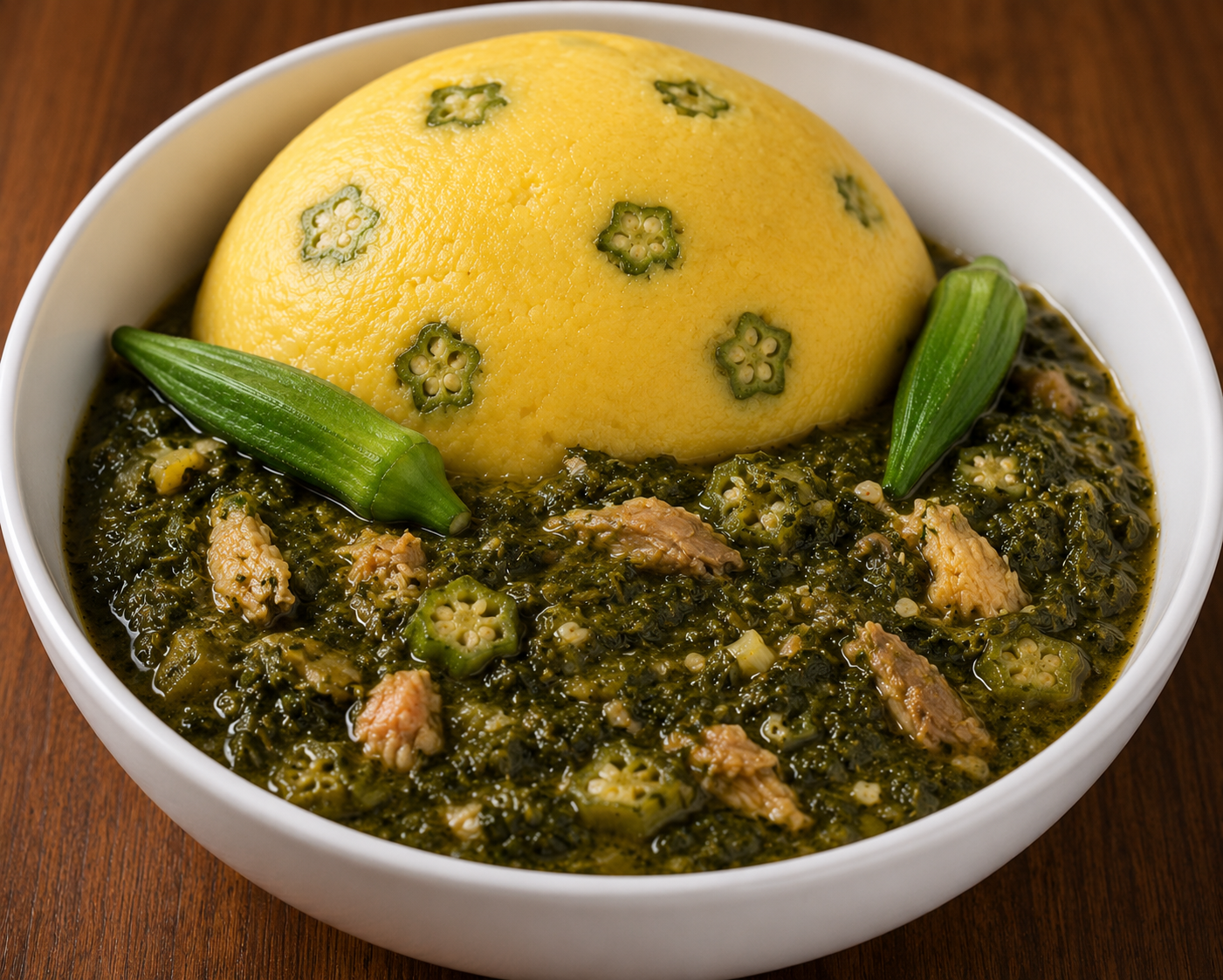
Fungee (cornmeal cooked with okra) and pepperpot (a slow-cooked one-pot stew of salted meat, vegetables and spinach). The Sunday meal of choice; the Barbudan version often features local lobster and conch.
Did You Know
Antigua famously claims 365 beaches, one for every day of the year. The country has 6 parishes on the island of Antigua plus 2 dependencies: Saint John (north-west, capital), Saint George (north / north-east, the airport), Saint Peter (east / north-east), Saint Philip (east), Saint Paul (south, English Harbour and Falmouth), and Saint Mary (south-west).
The dependencies are Barbuda (~48 km north of Antigua, governed by its own elected Barbuda Council) and Redonda (a small uninhabited rocky islet, technically part of Saint John parish).
Country Code: the 268
+1 268. Across the Caribbean and the Diaspora, many Antiguans and Barbudans identify themselves simply as "the 268," after the country’s telephone area code. Every Caribbean country has its own number, and using it as a shorthand for identity is a regional tradition that has long outlived the phone-call era.
You will hear it on WhatsApp, at carnival, on the football pitch, and at any Diaspora gathering. Saying "I’m from the 268" is saying "I’m from home."
The most played songs in Antigua and Barbuda, updated daily. Chart data via Apple Music.
Tap any track for a preview, or open in Apple Music for full playback.
Leadership: Who Runs the Country
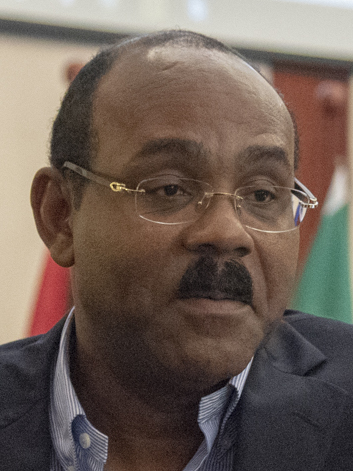
Antigua and Barbuda is a constitutional monarchy with a Westminster-style parliament. King Charles III is Head of State, represented locally by a Governor-General. Parliament has two chambers: the elected House of Representatives (17 members) and an appointed Senate (17 members). Uniquely in the country, the sister island of Barbuda has its own elected local body, the Barbuda Council, established by the Barbuda Local Government Act 1976.
Citizenship and Passport Eligibility 4-Region
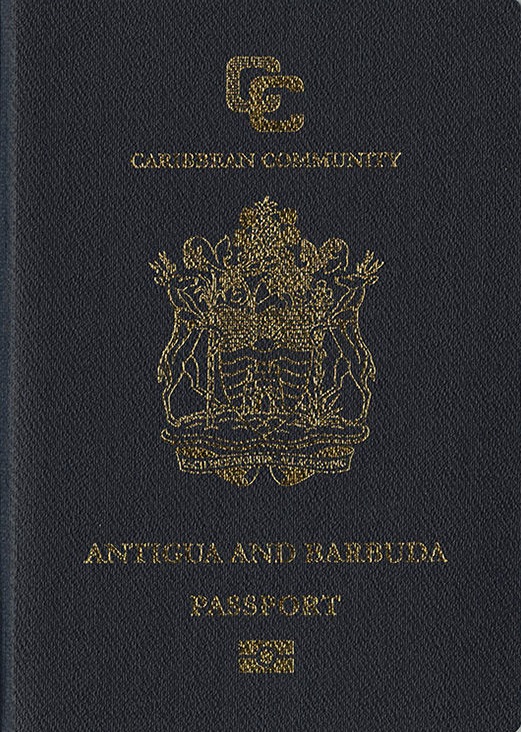
This is a favourable picture for the Antiguan and Barbudan Diaspora. The country recognises dual citizenship, descent passes through a parent, and Antigua and Barbuda also operates a long-standing Citizenship by Investment Programme. For most of the Diaspora the practical question is which route fits: citizenship by descent through an Antiguan or Barbudan parent, naturalisation after a qualifying period of legal residence, or the investment programme. Because the documents and the way you apply differ depending on where you are starting from, the eligibility detail is set out by region below, so you can see exactly what applies whether you are in the UK, the US, Canada or Europe.
The routes, honestly
- By descent through a parent, the most direct route. A person born outside Antigua and Barbuda is entitled to citizenship if at least one parent was a citizen of Antigua and Barbuda at the time of the birth.
- By descent through a grandparent, in some circumstances, and through registration where there is a continuing connection. Documentation must establish the unbroken line. Confirm specific eligibility with the High Commission.
- By marriage, available to the foreign spouse of a citizen, with a residence qualifying period.
- By naturalisation, typically after seven years of legal residence (the standard CARICOM-country track is shorter).
- By investment, through the Antigua and Barbuda Citizenship by Investment Programme. Minimum US $100,000 to the National Development Fund for a single applicant or family of four, with higher amounts for additional dependants. Real estate purchase (minimum US $200,000 in an approved project), the University of the West Indies Fund route, and an approved-business route are alternatives. The CBI requires due diligence checks and government fees on top of the investment amount.
Applying on the strength of an Antiguan or Barbudan parent or grandparent? Your route is your nearest High Commission, listed under Diaspora Missions further down this page.
An Antiguan and Barbudan passport is also a CARICOM passport. Under the CARICOM Single Market and Economy (CSME), nationals of every member state have the right to move, work, set up businesses and bring capital across all 15 CARICOM countries. The five freedoms: goods, services, capital, skilled persons, and the right of establishment.
For working across the region, the practical document is the CARICOM Skills Certificate. As of 2025 there are 13 eligible tiers: university graduates, media workers, artistes, musicians, sportspersons, registered nurses, teachers, artisans with CVQ Level 2, domestic workers with CVQ, agricultural workers, private security officers, associate degree holders and aviation personnel. Processing is typically five to eight weeks.
On 1 October 2025, four CARICOM countries (Barbados, Belize, Dominica and Saint Vincent and the Grenadines) launched Enhanced Full Free Movement among themselves: their nationals can live, work and reside indefinitely without permits or Skills Certificates. Antigua and Barbuda is not yet in the pilot, but as a full CARICOM member you have the standard CSME route now and the option to join if and when the pilot expands.
The honest comparison: CSME is similar in ambition to EU free movement, but it is intergovernmental rather than supranational, so progress is uneven. For Diaspora it is still a real, lived advantage that an Antigua and Barbuda passport carries.
Where to apply, by region
| From | Where to enquire | Map |
|---|---|---|
| United Kingdom | Antigua and Barbuda High Commission, 2nd Floor, Abrar House, 45 Crawford Place, London W1H 4LP. The Chief of Mission also covers Ireland and several European postings. Phone, email and current opening hours on antigua-barbuda.com. | |
| USA | Embassy of Antigua and Barbuda, 3234 Prospect Street NW, Washington DC 20007. Consulate-General in New York; Consulates in Miami and other US cities. | |
| Canada | Canada is covered by a non-resident High Commissioner; there is no resident High Commission in Ottawa. The Consulate-General in Toronto handles passports and documents: 1500 Don Mills Road, Suite 714, North York, ON M3B 3K4. | |
| Europe | The London High Commission covers the UK and Ireland. The Eastern Caribbean States joint embassy in Brussels covers EU relations: Rue de Livourne 42, 1000 Brussels. Honorary Consuls in several European capitals. | |
| In Antigua and Barbuda | Citizenship by Investment Unit and Department of Immigration in St John's; for descent and birth-registration matters, the Registry General. |
For descent applications, the long-form birth certificate of your Antiguan or Barbudan parent is essential, properly Apostilled if issued abroad. Names and dates must match across generations; a difference in spelling or recording can hold up the application and may require a sworn Affidavit to clarify. Reissue any short-form or photocopied certificates before you file. The CBI route is a paid programme and should be treated as a financial decision, not a heritage one: due-diligence, government and passport fees sit on top of the headline minimum, and the National Development Fund minimum has been raised in recent years.
Cost of Living 4-Region
An honest monthly comparison: your home city versus life in Antigua and Barbuda, in your own currency. Antigua and Barbuda sits at the upper-middle of the Eastern Caribbean cost range. The tourist resort belts (Jolly Harbour, English Harbour, Dickenson Bay) and Barbuda are noticeably pricier than the inland Antiguan villages and St John's suburbs.
| Monthly expense | London £ | New York $ | Toronto C$ | Antigua and Barbuda (USD equivalent) |
|---|---|---|---|---|
| Rent, 1-bed local-standard, St John's area | £2,000 | $3,800 | C$2,400 | ~$650 to $900 USD |
| Rent, 1-bed expat-standard, Jolly Harbour / English Harbour | £2,300 | $4,200 | C$2,800 | ~$1,200 to $1,800 USD |
| Single person, modest lifestyle (all in) | £3,000 | $4,800 | C$3,800 | ~$1,800 to $2,200 USD |
| Couple, comfortable lifestyle (all in) | £3,800 | $6,500 | C$5,200 | ~$3,000 to $4,000 USD |
| ABST (Antigua and Barbuda Sales Tax) on most goods and services | 20% | Varies | 13% | 15% |
Barbuda has fewer than 1,700 residents and only basic services, so practical day-to-day costs are different from Antigua. Local food and rent are cheap but variety is limited; almost everything that is not grown, caught or made locally has to come over by the daily ferry from Antigua, and prices reflect that. Most Barbudans use Antigua for big shops and specialist services. Plan a Barbuda-based relocation with this in mind.
Housing and Property
Most returnees rent for six to twelve months before buying. As an Antiguan and Barbudan citizen you can buy property freely. Non-citizens need an Alien Landholding Licence (a one-off licence fee, approval, and a 2.5% transfer tax on the buyer). CBI applicants follow a streamlined approval process for approved projects.
Where returnees tend to settle on Antigua
Antigua is small (281 sq km / 108 sq mi). The character of each area varies considerably; this is about character, not a safety ranking.
- St John's and inner suburbs (Saint John parish), the capital and economic hub on the north-west coast. Most jobs, ministries, the General Hospital, the airport (in adjoining Saint George), and the cruise terminal. Many returnees settle in suburbs such as Hodges Bay, Cedar Grove or Gambles Terrace.
- Dickenson Bay and Runaway Bay (north coast, Saint John / Saint George), the most established resort belt; significant expat presence and a wide range of restaurants and services.
- Jolly Harbour (Saint Mary, south-west), a major marina-led residential development that is a popular expat and CBI district; villas, apartments, a golf course and a yachting community.
- English Harbour and Falmouth (Saint Paul, south coast), the historic yachting district around Nelson's Dockyard (UNESCO World Heritage Site since 2016); a strong expat and Diaspora community.
- Saint Philip and Saint Peter (the east and north-east), more rural and agricultural, a slower pace, with All Saints, Liberta and the airport corridor sitting between them.
Living on Barbuda, honestly
Barbuda is a fundamentally different relocation from Antigua and the page treats it as such. Codrington is the only town and the home of most of the ~1,600 residents. The island offers pink-sand beaches at Low Bay and Princess Diana Beach, the world-famous Frigate Bird Sanctuary in Codrington Lagoon, and a profound quietness that is hard to find elsewhere in the Caribbean. There is no hospital, only a clinic, with serious cases referred to the General Hospital on Antigua.
The land question. Barbuda is unique. Since the 1834 abolition of slavery, the island has operated under communal land ownership: no individual owns land outright. The land belongs collectively to all Barbudans, and traditionally a Barbudan adult could claim a parcel for use through the Barbuda Council.
After Hurricane Irma (2017) the central Antiguan government proposed changes that would allow Barbudans to take individual freehold title and use it as bank collateral for rebuilding. This remains contested. The Caribbean Court of Justice and the Privy Council have weighed in on aspects of the dispute, and the Barbudan land tenure question is not fully settled. For an outsider considering buying or building on Barbuda, this is a real practical and legal complication; seek specific legal advice from a Barbudan-experienced lawyer.
Hurricane resilience matters in Antigua and Barbuda. Hurricane Irma (6 September 2017) made landfall on Barbuda as a Category 5 with sustained winds around 185 mph (298 km/h), damaging an estimated 90 percent of buildings on Barbuda. The entire population of ~1,800 was evacuated to Antigua and the island briefly stood with no residents for the first time in over 300 years. Antigua itself was largely spared structural damage. Reconstruction on Barbuda has been steady and by 2025 around 90 percent of buildings had been rebuilt or replaced, often to higher hurricane standards. The lesson stands: when buying or renting on either island, ask what hurricane standard the property meets and how it stood up to Irma.
Healthcare
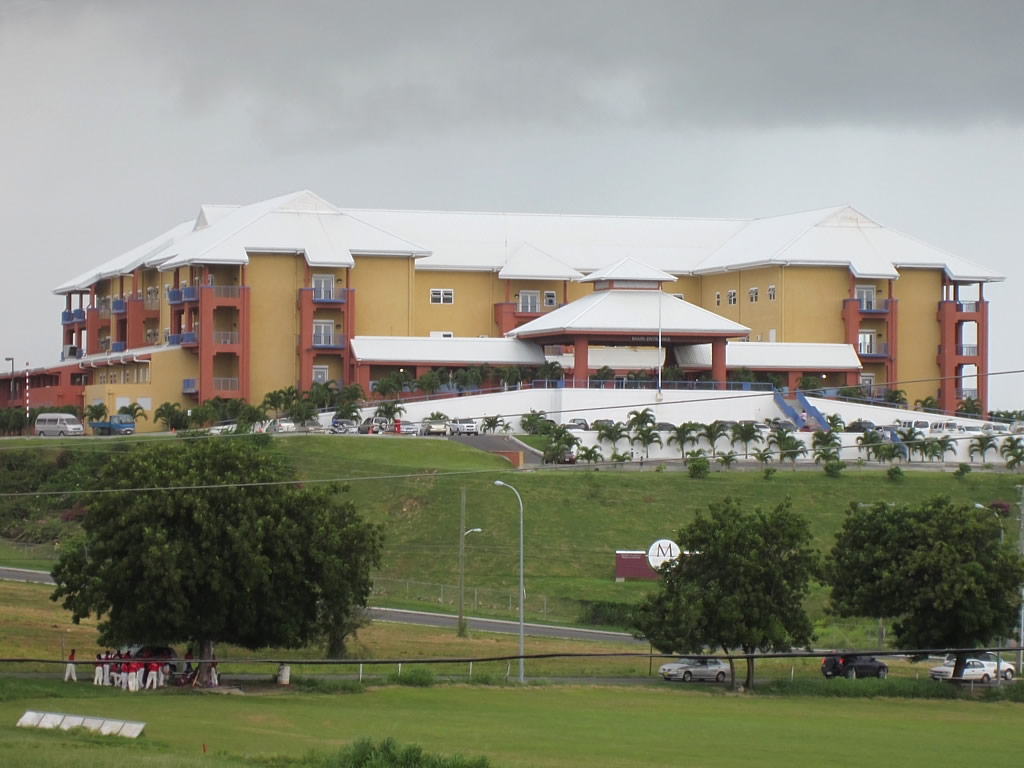
Healthcare in Antigua and Barbuda is run by the Ministry of Health, Wellness and the Environment, funded largely through general taxation and the Medical Benefits Scheme. Citizens and residents can access the public system at low or no direct cost for basic care; many returnees layer a private policy on top for faster access and specialist treatment.
Main hospitals and facilities
- Sir Lester Bird Medical Centre (Mount St John's Medical Centre), St John's: the national referral hospital, ~185 beds, the country's main acute facility. Emergency, surgical, paediatric, maternity, diagnostic and specialist services. Renamed after the former Prime Minister Sir Lester Bird.
- Hannah Thomas Hospital, Codrington (Barbuda): a small district hospital / clinic serving Barbuda's ~1,600 residents. Stabilisation and primary care; serious cases are airlifted or ferried to Antigua.
- Adelin Medical Centre, St John's: a leading private hospital offering shorter waits, a wider specialist range and the usual first stop for many expats and returnees.
- Clarevue Psychiatric Hospital, Saint Philip: the country's main mental-health facility.
- American University of Antigua College of Medicine (AUA), Coolidge: a US-affiliated medical school that brings clinical capacity and a sizeable international student community to the island.
For older returnees
If you are returning at retirement age, plan three things before you travel. Arrange private health cover with strong medical-evacuation cover before arrival, since cover taken out later costs more and access to specialist care often means travel abroad. Bring a full written record of your medical history and current prescriptions so a local doctor can continue your care without gaps, and check that any long-term medication you depend on is reliably available locally. And think carefully about where you settle: St John's and the south of Antigua have the most services; Barbuda has very few, with even routine specialist care requiring travel back to Antigua.
For complex specialist care (advanced cardiac surgery, oncology, neurosurgery, advanced neonatal care), Antiguans and Barbudans often travel to Barbados, Trinidad, Miami or the UK. Build medical evacuation into your insurance. The everyday public system is reasonable but stretched; many returnees combine public access with a private policy.
Residential and elder care
Be realistic about residential options. Antigua and Barbuda has one government home, the Fiennes Institute in St John's, run by the Ministry of Health, which houses around 84 residents. The private Adelin Medical Centre, primarily an acute hospital, also takes some long-stay elderly patients. There is no established mid-market private nursing-home sector, and on Barbuda the small Hannah Thomas Hospital is not a long-term residential option.
Most families care for elders at home, often with a live-in helper. Live-in domestic helpers typically earn EC$1,500 to EC$3,000 a month (around £450 to £900), with hourly rates of EC$8 to EC$12. Placing a parent in residential care still carries social stigma here and tends to be a last resort. There is no inspection regime of the kind UK families will know from the CQC; local reporting has raised concerns about conditions at the public home, and a proposed Aged Care Bill 2026 would formalise oversight and introduce family contributions.
Pensions and residency for retirees
Two things shape your retirement income here. The UK State Pension is frozen in Antigua and Barbuda: it is still paid, but it does not rise with the annual UK increases, so it loses value over time. Only Barbados and Jamaica are uprated in the Caribbean. Canada has a social security agreement with Antigua and Barbuda, in force since 1994, which helps with contributory benefits; the United States has no totalisation agreement. For settling, Antigua and Barbuda offers Permanent Residency options and the Citizenship by Investment Programme, both routes used by retirees.
Education and Schools
Education in Antigua and Barbuda is free and compulsory between ages 5 and 16, on a British-modelled system inherited at independence. Primary covers Standards 1 to 6; secondary runs five forms (ages 12 to 17), with sixth form (or the Antigua State College) covering 17 to 19. At the end of secondary school students sit Caribbean Examinations Council (CXC) qualifications: the Caribbean Secondary Education Certificate (CSEC), broadly comparable to GCSE, and the Caribbean Advanced Proficiency Examination (CAPE), comparable to A-levels.
Well-regarded schools
- Antigua Grammar School (AGS, St John's), the historic boys' secondary school, founded 1884.
- Antigua Girls' High School (AGHS, St John's), the historic girls' counterpart.
- St Joseph's Academy and Christ the King High School, well-established Catholic secondaries in St John's.
- Holy Trinity School (St John's), a respected co-educational Anglican secondary.
- Sir McChesney George Secondary School, Codrington (Barbuda): the only secondary school on Barbuda. Barbudan students wanting CAPE or sixth-form typically continue at Antigua State College.
- Antigua State College (ASC), the main sixth-form and tertiary college, offering Associate degrees and CAPE.
- The University of the West Indies (UWI) Five Islands Campus, the country's national UWI campus (opened 2019), and the American University of Antigua College of Medicine (AUA).
Public schooling is genuinely free but families typically pay for uniforms, books and a registration fee. Secondary schooling at the church-aided schools carries modest annual fees. Barbudan families face an additional consideration: senior secondary specialisation is more limited on Barbuda, and some families send children to Antigua for sixth form, with the practical logistics of weekday accommodation. School quality varies more by individual institution than by category; look at specific schools rather than assuming the label tells you everything.
Banking, Tax and Money
A few registrations matter for every returning resident settling in Antigua and Barbuda.
The tax picture, honestly
Antigua and Barbuda's headline tax position is genuinely attractive. No personal income tax (the country abolished it in 2016), no capital gains tax, no inheritance tax and no wealth tax. What you will meet instead: the Antigua and Barbuda Sales Tax (ABST) at 15 percent on most goods and services (lower rates on accommodation), property tax at 0.1 to 0.5 percent of the assessed property value, stamp duty on property sales (7.5 percent paid by seller, 2.5 percent paid by buyer), and customs duty on imports. Social Security and Medical Benefits contributions are payable by employees and employers (a few percent each). Antigua and Barbuda is a member of the Eastern Caribbean Currency Union, and the XCD's fixed 2.70 peg to the USD makes financial planning predictable.
Inheritance tax: an honest comparison with the UK
This is a real and rarely-discussed advantage for returning Diaspora.
- The UK position: UK Inheritance Tax is currently 40 percent on the value of an estate above the nil-rate band of £325,000 (with an additional £175,000 residence nil-rate band where a main home passes to direct descendants, and full spouse exemption). Most middle-class UK estates with a home and pension are affected.
- Antigua and Barbuda position: there is no inheritance tax on the transfer of property at death. Beneficiaries do not pay tax on inherited assets. Stamp duty and property transfer tax can still apply if inherited property is later sold; these are normal property-transaction taxes, not death duties.
- The cross-border reality. UK domicile is sticky. A UK-domiciled person can still face UK Inheritance Tax on their worldwide estate even after relocating to Antigua and Barbuda. Domicile is a different test from residence and is hard to shed. Treat this as one of the most important conversations to have with a qualified UK tax adviser before you go.
Wills and estate planning
This is genuinely important, often missed, and frequently sad in its consequences.
- Why it matters. Many UK Diaspora have a UK Will that does not properly cover Caribbean property, or no Will at all. On death this can throw the estate into intestacy across two jurisdictions, which is slow, costly and distressing for family at the worst possible moment.
- Widely-recommended practice (not legal advice). Cross-border practitioners commonly recommend two Wills, drafted to work together: a UK Will covering your UK estate, and a separate Antigua and Barbuda Will covering your Caribbean property, each containing language making clear it does not revoke the other. Use a local lawyer in Antigua and Barbuda for the local Will.
- The local rules. Antigua and Barbuda's law on wills follows English common law and is codified in the Wills Act and the Intestate Succession Act. A valid Will must be in writing, signed by the testator in front of two witnesses who also sign. The Supreme Court of Antigua and Barbuda handles probate; if there is no Will, the Intestate Succession Act prioritises the surviving spouse and children.
- Barbudan complication. Communal land tenure on Barbuda means that a Barbudan parcel does not pass under a Will the same way Antiguan or UK property does. Get specific advice from a Barbudan-experienced lawyer if Barbuda land is in play.
- Practical pointers. Name an executor in each jurisdiction. Review every five years or on a major life event (marriage, divorce, new child, property purchase). Tell your executor where the Wills are stored.
This is general information for orientation. Always speak to a qualified local lawyer before drafting or relying on a Will.
Antigua and Barbuda offers a Returning National concession allowing a citizen who has lived abroad for a continuous qualifying period to import household goods, and sometimes a vehicle, with some relief from import duty. The exact qualifying years, the list of eligible items and any cap on the vehicle value are set by Customs and have changed over the years. Confirm the current rule directly with the Antigua and Barbuda Customs and Excise Division before you ship anything.
Work and Business
As an Antiguan and Barbudan citizen you can live and work in the country freely, with no work permit required. That is one of the real advantages of returning as a citizen.
The main sectors
The economy rests on several pillars: tourism and hospitality (the biggest employer; resorts, yachting around English Harbour, Sailing Week, and cruise tourism), financial services (offshore banking, IBCs and the long-established CBI programme), construction (substantially driven by CBI-linked development), education (UWI Five Islands and AUA), and agriculture and fisheries (smaller in scale than tourism, but core to Barbudan livelihoods particularly for lobster).
Starting a business
New businesses register through the Companies Registry at the Intellectual Property and Commerce Office. The Antigua and Barbuda Investment Authority (ABIA) is the main contact point for inward investment and operates incentive schemes for ventures that meet investment or job-creation criteria. After incorporating, you register with the Inland Revenue Department for a TIN and ABST (where applicable).
Remote work: the Nomad Digital Residence
If you are not, or not yet, an Antiguan and Barbudan citizen but can work remotely, the Nomad Digital Residence (NDR) is a two-year residence visa for people employed by, or with clients, outside the country. The headline terms: a minimum income of around US$50,000 a year, foreign-earned income is not taxed locally, your immediate family and even pets can be included, and the whole application is online. It is issued once and runs for up to two years.
The local market is small (~97,000 people) and average local salaries are modest. Returnee businesses often do best when they serve tourism, the Diaspora, the yachting community, the AUA / UWI Five Islands student community, or an online market beyond the islands, rather than relying on domestic demand alone. Barbuda specifically has a very thin local market; viable Barbudan businesses tend to be in eco-tourism, lobster and conch fisheries, or sustainable building trades.
Driving and Transport 4-Region
Antigua and Barbuda drives on the left, the same as the UK. Main roads in St John's and the south are paved and reasonable; secondary roads and rural roads are narrower and less well-lit. V.C. Bird International Airport (in Saint George parish) handles direct flights from London Gatwick (Virgin Atlantic and British Airways), New York, Miami, Toronto and several Caribbean hubs. Barbuda is reached by a daily ferry (the Barbuda Express, around 90 minutes from St John's) or by small-plane charter to Barbuda Codrington Airstrip.
| Licence held | How it works | Where | Cost |
|---|---|---|---|
| UK licence | Visitors obtain a temporary Antiguan driving permit on presenting their home licence. Car-hire firms typically arrange it on the spot. | Inland Revenue, the Traffic Department or via your car hire firm | ~$50 USD |
| US licence | Same process: a temporary local permit on presenting your home licence. | As above | ~$50 USD |
| Canadian licence | Same process: a temporary local permit on presenting your home licence. | As above | ~$50 USD |
| EU licence | Same process: a temporary local permit on presenting your home licence. | As above | ~$50 USD |
For residence beyond visitor periods, you will need a full Antiguan and Barbudan driver's licence, obtainable from the Transport Board. Public transport on Antigua is mainly by minibus, which is cheap and frequent on main routes (St John's to All Saints, Jolly Harbour, English Harbour). Taxis are not metered, but most routes have agreed standard fares; agree the fare before you set off. Barbuda has minibuses serving Codrington and small-scale taxi services; many residents and visitors hire bicycles for short distances.
Bringing your pet
Cats and dogs can be brought to Antigua and Barbuda with proper paperwork. Current requirements typically include an import permit from the Veterinary and Livestock Division of the Ministry of Agriculture, microchip identification, a current rabies vaccination, a rabies antibody (titer) test where required, and a veterinary health certificate issued shortly before travel. The exact current requirements, fees and any restrictions were not verified at build, so confirm directly with the Veterinary and Livestock Division well before you plan to travel.
Internet and Connectivity
Connectivity in Antigua and Barbuda is solid in St John's, the south coast and the main resort belts. The market is dominated by two operators: Flow (Liberty Caribbean, formerly Cable and Wireless) and Digicel. The Antigua and Barbuda Telecommunications Division regulates the sector.
Both operators offer fibre-to-the-home plans in the main populated areas of Antigua: Digicel+ Fibre and Flow's fibre service, with consumer speeds typically up to 200 Mbps and higher in business plans. Flow also offers DOCSIS cable broadband across a wider footprint. A standalone broadband plan typically runs around EC$120 to 150 per month; a triple-play bundle (internet, TV, phone) higher. Mobile is 4G LTE across both networks; 5G has not yet launched commercially as of early 2026.
On Barbuda, the picture is thinner. Mobile coverage is good around Codrington, fixed broadband is more limited, and Starlink has become an important resilience and remote-work option for many Barbudan households and businesses since 2024, particularly given the island's exposure to hurricanes.
Safety: The Honest Picture
Antigua and Barbuda has a settled reputation as one of the safer Caribbean countries, and for everyday life that is broadly true. The UK FCDO advises ordinary precautions: avoid isolated areas after dark, take care at large gatherings, secure your accommodation, and avoid resisting if confronted. The US State Department has historically held Antigua and Barbuda at Level 1 ("exercise normal precautions"); confirm the current level before travel, as advisories shift.
Day-to-day, most returnees in St John's, the south coast, Jolly Harbour and Barbuda find a friendly and welcoming community. Petty theft is a real but manageable risk in tourist areas; violent crime is rare but not zero. The practical answer is the same as anywhere else: choose your district carefully, secure your home, and follow ordinary urban street sense.
Hurricane Irma and Barbuda
The environmental risk Antiguan and Barbudan Diaspora most need to understand is hurricanes, and specifically what Irma did to Barbuda. On 6 September 2017, Hurricane Irma made landfall on Barbuda as a Category 5, with sustained winds around 185 mph (298 km/h). The damage was near-total: approximately 90 percent of buildings on Barbuda were damaged or destroyed, the power grid, phone network and water treatment plant were devastated, and one person died. With Hurricane Jose threatening a second blow, the entire population of around 1,800 was evacuated to Antigua, and Barbuda briefly stood with no residents for the first time in more than 300 years. Antigua itself was largely spared structural damage. Estimated total damage on Barbuda alone was around US$150 million. Reconstruction has been steady but slow, complicated by the communal land tenure dispute; by 2025 around 90 percent of buildings had been rebuilt or replaced, often to better hurricane standards.
The wider Atlantic hurricane season runs 1 June to 30 November. Earthquakes are felt occasionally (the islands sit near a fault zone). The National Office of Disaster Services (NODS) issues alerts; sign up before you need to.
None of this means Antigua and Barbuda is unsafe to live in. Many thousands of Diaspora continue to return and find a settled, welcoming community. But the Barbuda hurricane picture is not yet fully behind the country, and on Barbuda specifically the choice to relocate should be made with eyes wide open about reconstruction standards, communal land tenure, the ongoing legal dispute over land, and the practical thinness of services. The Grenada page handles a similar honest balance for Carriacou and Petite Martinique post-Beryl; for Antigua and Barbuda, Irma is the parallel.
Diaspora Missions, UK Association and Community 4-Region
The country's diplomatic missions serving the Diaspora, plus the community channels you can plug into.
UK Diaspora Associations
- Antigua and Barbuda National Association UK (ABNA UK), abnauk.org. The main UK association linked to the High Commission, focused on socialising, welfare, poverty relief, education, and cultural events. Open to anyone of Antiguan or Barbudan descent, anyone connected to the country, and friends of Antigua and Barbuda. To join, see the membership page on the ABNA UK website or contact ABNA UK directly through the High Commission.
- Waltham Forest, Antigua & Barbuda and Dominica Twinning Association, an East London community group ("3 nations, 1 community") that links Waltham Forest Borough with Antigua and Barbuda and Dominica. Cultural events, twinning visits and community work.
- Cross-Caribbean umbrellas: the British Caribbean Association (BCA), Friends of the Caribbean, the Caribbean & African Health Network (CAHN), the British Caribbean Chamber of Commerce, and the UWI Alumni Association UK Chapter all serve Antiguan and Barbudan Diaspora members alongside other CARICOM nationals.
Facebook Groups and Pages
Where the UK Diaspora can plug into community life online. A curated list, not exhaustive:
- ABNA UK, on Facebook and Instagram (@abnauk268). The main UK Diaspora association's social channels.
- Antigua and Barbuda High Commission UK, official Facebook page for consular announcements, events and Diaspora business.
- The Caribbean Diaspora (~1.7k members) and British Caribbean Development (~5.6k members), broad cross-CARICOM Facebook groups where Antiguan and Barbudan Diaspora are well represented.
- All things Caribbean (~12.3k members) and UK Caribbean Events (~1.8k members), large lifestyle and events-focused groups.
- British Caribbean Association, Facebook group of the umbrella body.
Not sure where to start?
Map your move with the Relocation Intelligence Calculator: your citizenship eligibility, budget and timeline, costed clearly.
Your First Steps
- Gather and Apostille your documents. The long-form birth certificate of your Antiguan or Barbudan parent (or grandparent) first.
- Apply for citizenship and your passport, via the London High Commission, Washington Embassy, the Toronto Consulate-General or directly with the Department of Immigration in St John's. If considering CBI, contact the Citizenship by Investment Unit.
- Decide which area suits your family: St John's and the south of Antigua for services and jobs; Jolly Harbour or English Harbour for expat infrastructure; the east and Saint Peter for a quieter rural pace; Barbuda with eyes wide open about reconstruction and communal land tenure.
- Register with the Medical Benefits Scheme, the Social Security Board and the Inland Revenue Department for a TIN on arrival.
- Arrange private health cover with strong medical-evacuation cover, and bring full medical records and prescriptions.
- Speak to a qualified local lawyer about a local Will to sit alongside any UK Will, particularly if you will own property on either island.
- Confirm Returning National customs concessions directly with the Antigua and Barbuda Customs and Excise Division before you ship anything.
- Run your numbers through the Relocation Calculator and plan your shipping with the 2026 Shipping Bible.
Tools and Quick Links
Flag: public domain, via Wikimedia Commons. Coat of arms: Sodacan, CC BY 3.0, via Wikimedia Commons. Shirley Heights: Balou46, CC BY-SA 4.0, via Wikimedia Commons. Prime Minister Gaston Browne: Charles Jong / BLP, public domain, via Wikimedia Commons. Government House: Ulises Icardi, CC BY-SA 4.0, via Wikimedia Commons. Mount St John's Medical Centre: David Stanley, CC BY 2.0, via Wikimedia Commons. Passport: official government-issued document. National dish: illustrative image, AI-generated.