🇱🇨 Moving to St Lucia from the UK
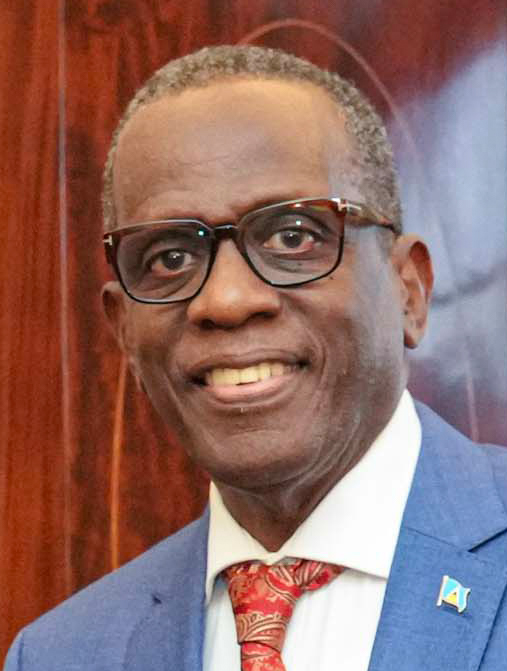
St Lucia is the "Helen of the West Indies", the most-fought-over island in Caribbean history. PM Philip J. Pierre is fresh from a landslide 14-to-1 election victory on 1 December 2025.
St Lucia is the small-country home of two Nobel laureates: Sir Arthur Lewis (Economics 1979) and Sir Derek Walcott (Literature 1992), the highest Nobel-per-capita ratio of any sovereign state. For the UK Diaspora particularly concentrated in London, Birmingham, Wolverhampton, Slough, Reading and Leeds, plus the older Bristol and Sheffield communities and the smaller US and Canadian families, this guide gives you what you need to think honestly about return: citizenship (descent or the CBI route from US$240,000), cost of living, healthcare, the CSME position (St Lucia is not in the October 2025 four-country pilot), the major 5 March 2026 UK visa change affecting St Lucian passport-holders, and the practical UK property and inheritance steps that make a returnee’s life easier. The country is mid-sized, English-and-Kwéyòl-speaking, EC-Dollar-pegged, and the proud holder of the most famous twin peaks in the Caribbean.
Identity and Culture
Before the practicalities, this is the place. Its symbols, its sound, its flavour. St Lucia is the "Helen of the West Indies," the only country in the world named after a real woman (Saint Lucy of Syracuse), and the most-fought-over island in Caribbean history (changing hands between France and Britain fourteen times between 1660 and 1814). The result is a uniquely bilingual cultural inheritance: English is the official language but the everyday spoken language across most of the country is St Lucian Kweyol (Patois), a French-based Creole closely related to Martinican and Dominican Kweyol. The population is predominantly Afro-St Lucian, with smaller Indo-St Lucian and mixed-heritage communities, and a meaningful UK and US retiree presence in the Cap Estate and Rodney Bay belt. The country celebrates the annual Saint Lucia Carnival in mid-July, Jounen Kweyol (Creole Heritage Day) on the last Sunday in October, and the world-renowned Saint Lucia Jazz Festival in May.
National Flag
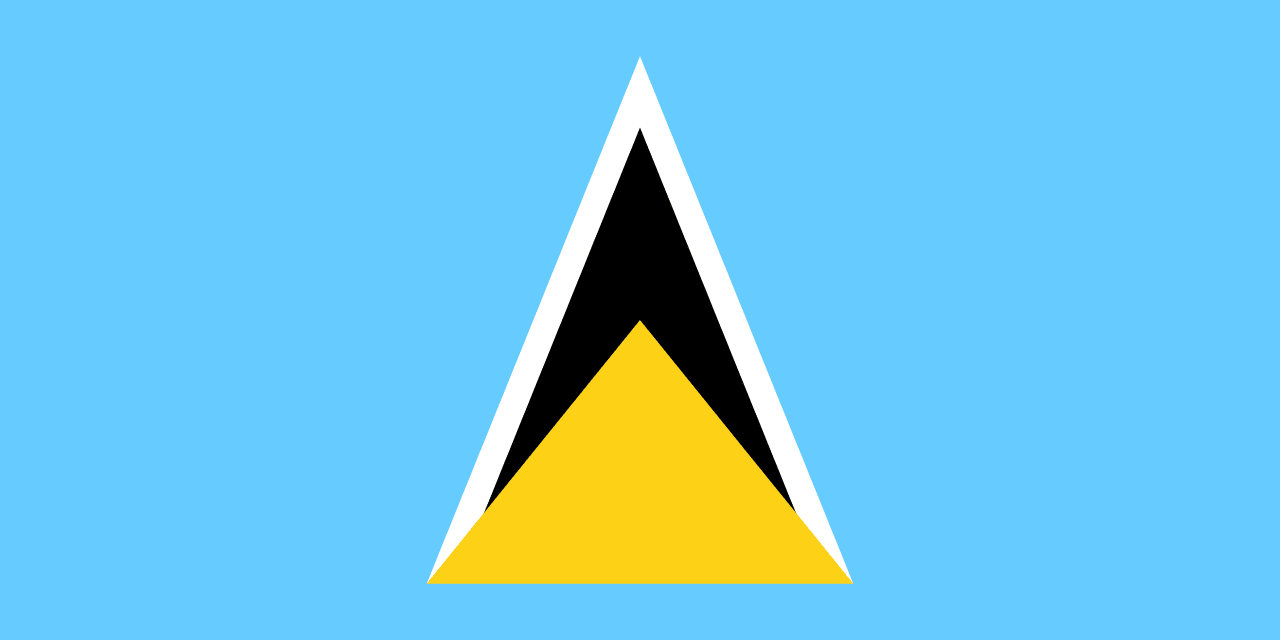
Adopted in 1967 (with minor proportional revisions in 2002). A cerulean blue field (the Caribbean and Atlantic), bearing a stylised central emblem of three triangles: a white triangle bordered by black (the cultural intermingling of European and African heritage), and a golden triangle (sunshine and prosperity). Designed by St Lucian artist Dunstan St Omer, the country's most celebrated visual artist and a friend of Sir Derek Walcott.
Coat of Arms
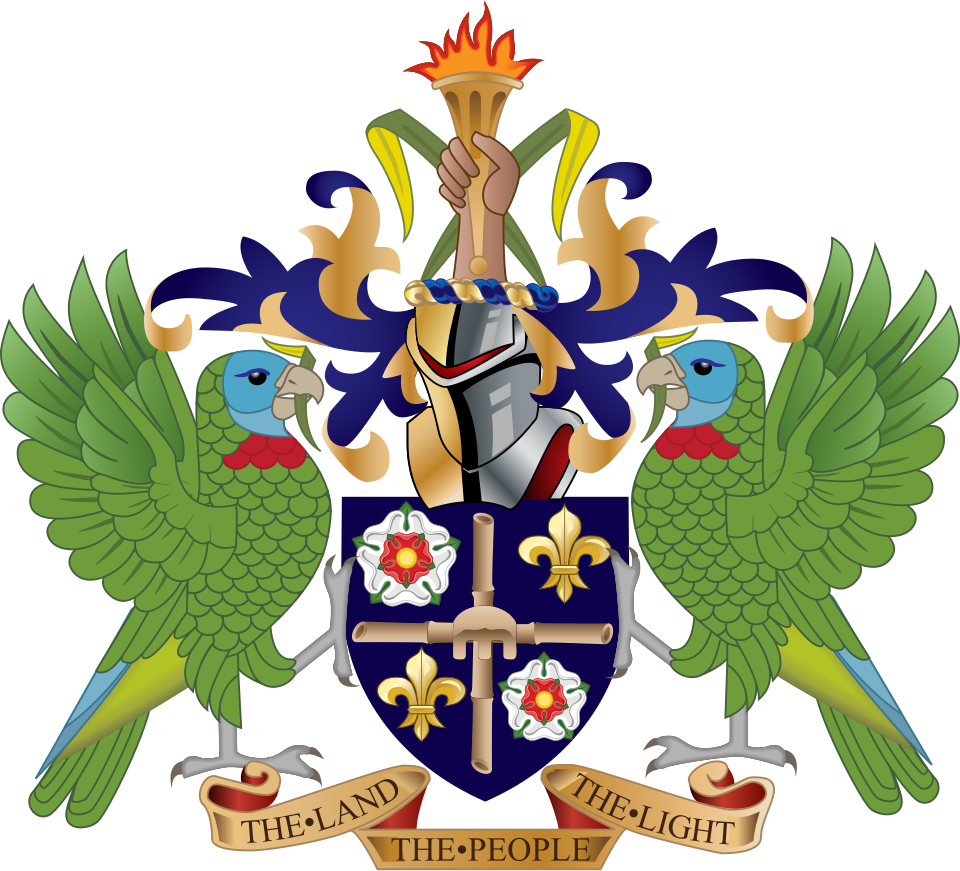
A central shield divided into four quarters, featuring two Tudor roses (English heritage), two fleurs-de-lis (French heritage), a stylised African stool (Afro-Caribbean inheritance), and bamboo. Supported by two St Lucia parrots (the endemic Amazona versicolor, the national bird), beneath a torch of liberty.
National Motto
"The Land, The People, The Light."
A motto centred on the natural beauty of St Lucia, the strength of its people, and the metaphorical light of progress, education and hope.
Seat of Government
Parliament sits at the Government Buildings in Castries. Government House, the Governor-General's residence, is at Morne Fortune above the capital; the Prime Minister's Official Residence is at Vigie.
National Anthem
"Sons and Daughters of Saint Lucia."
Words by Father Charles Jesse, music by Leton Felix Thomas. Adopted on Independence Day, 22 February 1979. Sung at every official occasion, at international sporting events, and at every diplomatic event at the High Commission in London.
National Dish
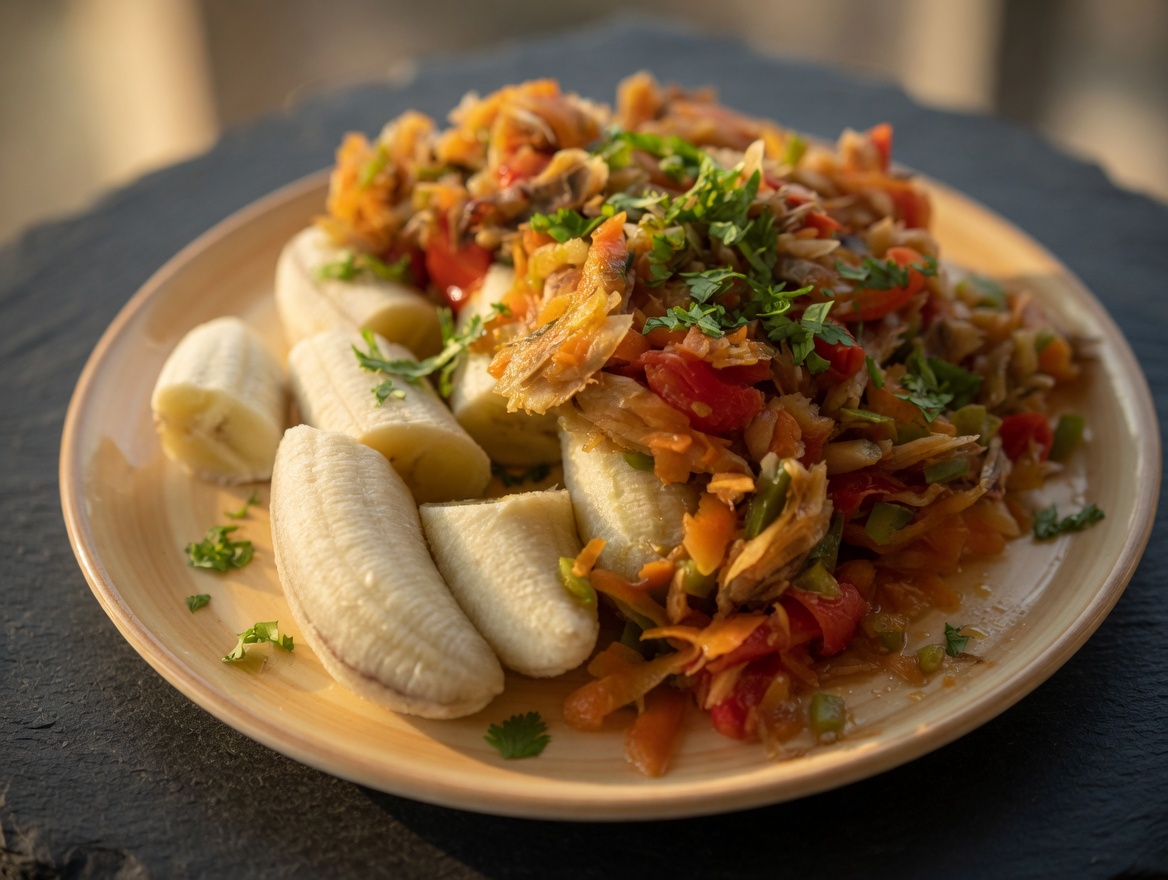
Green Fig and Saltfish. Green (unripe) bananas stewed with salted cod, onions, peppers, garlic, herbs and coconut, served with provision (yam, dasheen, breadfruit). The official national dish since 1998 and the symbolic everyday meal of the country. Other staples include bouyon (a hearty soup), callaloo soup, accra (saltfish fritters), roti, cassava bread, and the local Piton beer brewed at Vieux Fort.
Did You Know
St Lucia is divided into ten quarters (the historical French term, still used everywhere locally): Castries (the capital and major port), Gros Islet (the Rodney Bay / Cap Estate tourism and premium-property belt), Anse-la-Raye (the Friday-night Fish Fry village), Canaries, Soufriere (the iconic Pitons, Sulphur Springs drive-in volcano and Diamond Botanical Gardens; the former French colonial capital), Choiseul (the Kweyol heartland), Laborie, Vieux Fort (Hewanorra International Airport and the main industrial estate), Micoud (home of Mamiku Gardens) and Dennery (Atlantic surf). The capital is Castries, with Vieux Fort the second city. There are roughly 50 named beaches, from the rough Atlantic windward coast to the postcard leeward coast (Reduit, Rodney Bay, Anse Chastanet, Sugar Beach below Petit Piton, Pigeon Island).
Country Code: the 758
+1 758. Across the Caribbean and the global St Lucian Diaspora, St Lucians identify themselves simply as "the 758," after the country's telephone area code. You will hear it at Saint Lucia Carnival each July, at Jounen Kweyol in October, at the Saint Lucia Jazz Festival in May, at the Gros Islet Friday Night Street Party, and at any St Lucian gathering in Brixton, Tottenham, Birmingham, Wolverhampton, Slough, Reading, Leeds, Brooklyn, Boston or Toronto. Saying "I’m from the 758" is saying "I’m from home."
Leadership: Who Runs the Country
St Lucia is a parliamentary constitutional monarchy within the Commonwealth. King Charles III is Head of State, represented locally by a Governor-General. The country has a bicameral Parliament: a 17-seat elected House of Assembly (plus the Speaker) and an 11-seat appointed Senate. General elections are held every five years. Independence was attained on 22 February 1979.
Citizenship and Passport 4-Region
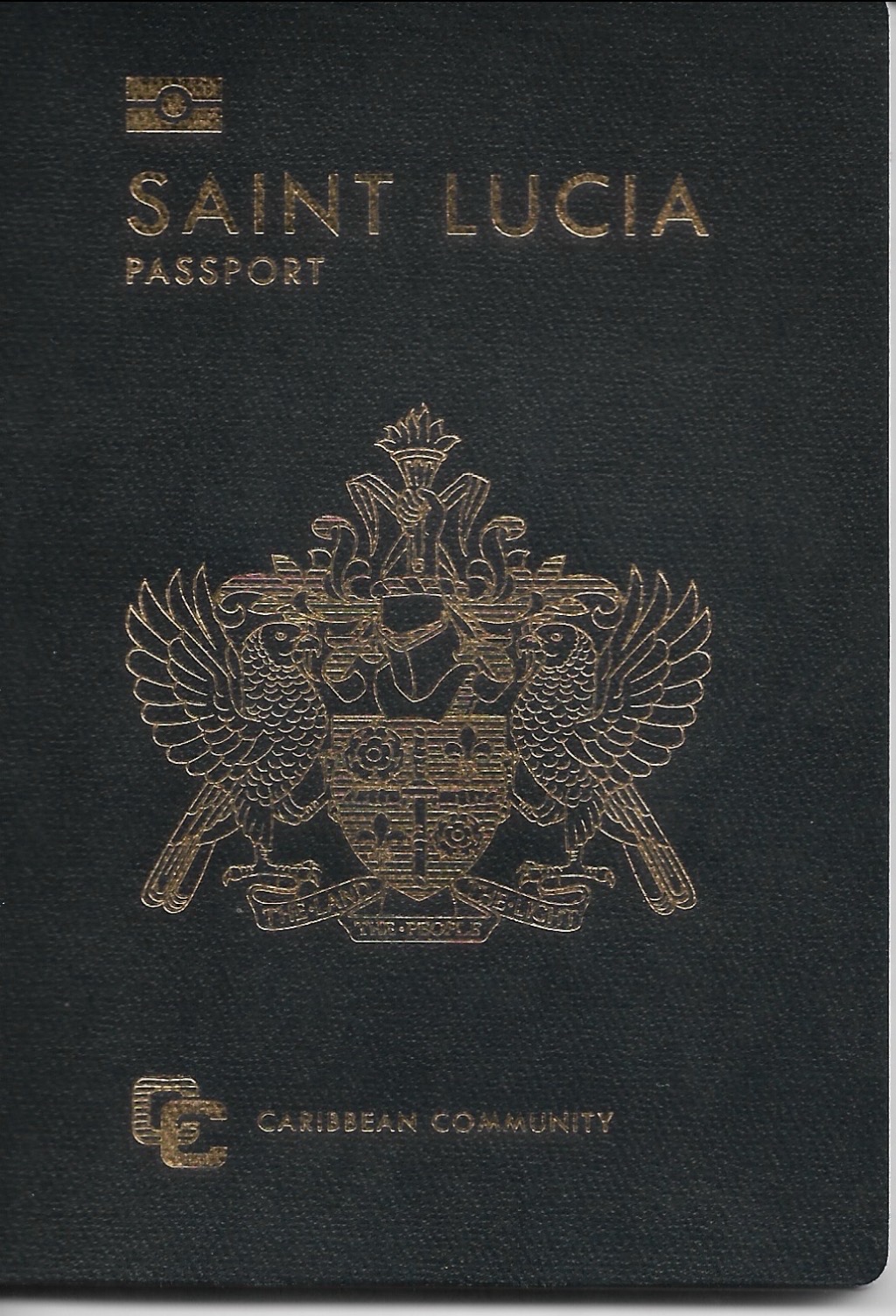
The honest summary: St Lucia has two well-defined doors. The descent and naturalisation route for those with a family or residency connection (significantly improved by a June 2024 law change), and the Citizenship by Investment programme, available since 2015.
The routes, honestly
- By birth: anyone born in St Lucia is automatically a citizen. The Constitution of 22 February 1979 codifies the rules.
- By descent: significantly broadened on 26 June 2024, when the St Lucia Parliament amended the Citizenship Act to allow second-generation and third-generation St Lucian descendants born overseas a clear path to citizenship by descent. Previously the route was limited; the 2024 amendment is one of the most generous descent reforms in CARICOM and a real opportunity for UK-born grandchildren of St Lucians.
- By naturalisation: standard naturalisation rules under the Citizenship Act, granted by the Minister responsible.
- By registration: shorter routes exist for spouses and certain Commonwealth citizens.
- By investment (the CBI programme): see the dedicated subsection below. Available since 2015 under the Citizenship by Investment Act No. 14 of 2015.
- Dual citizenship: fully recognised. Holding a St Lucian passport does not require giving up your British, US or Canadian citizenship.
St Lucia is a Full Member of CARICOM and a Full Member of the CARICOM Single Market and Economy (CSME). CSME guarantees CARICOM nationals broad rights to live and work across the participating 14 CARICOM states under the Skills Certificate regime (13 eligible tiers, 5 to 8 week processing). On 1 October 2025, four CARICOM countries (Barbados, Belize, Dominica and St Vincent and the Grenadines) implemented Enhanced Full Free Movement, a deeper pilot allowing CARICOM nationals to live and work in those four countries with no Skills Certificate at all and no maximum stay. St Lucia is not in the October 2025 pilot. St Lucia continues to require the CARICOM Skills Certificate for nationals from the participating countries who wish to settle in St Lucia. The Government has indicated openness to a later expansion of the pilot but has not committed to a date.
You need to know this. On 5 March 2026 at 15:00 GMT, the UK Home Office removed Saint Lucia and Nicaragua from the list of countries whose nationals are eligible to enter the UK on an Electronic Travel Authorisation (ETA). From that point onward, St Lucian passport-holders need a UK visit, transit or business visa to enter the UK. A six-week transition window closed at midday on 16 April 2026. The UK Home Office cited a notable rise in St Lucian nationals entering the UK as visitors and subsequently claiming asylum (the published official figure is 360 asylum claims between January 2022 and December 2025, of which 128 (36 percent) were made at port), alongside concerns about CIP/CBI passport integrity. The Government of Saint Lucia (statement issued 5 March 2026 by the Ministry of Foreign Affairs and confirmed by PM Pierre at a press conference on 9 March) is in active diplomatic engagement with the UK Home Office and is hosting UK officials in Castries; the change remains under review on a quarterly basis. For dual British-St Lucian citizens this changes nothing in practical terms (you continue to enter the UK on your UK passport). For UK Diaspora children and grandchildren acquiring St Lucian citizenship by descent or CBI who do not hold a British passport, this is a material change. Plan accordingly.
Citizenship by Investment (CBI), honestly
- The programme. Established in 2015 under the Citizenship by Investment Act No. 14 of 2015. The most recent of the five Caribbean CBI programmes (alongside Antigua and Barbuda, Dominica, Grenada and St Kitts and Nevis). Regulated jointly by the Government and the Eastern Caribbean Citizenship by Investment Regulatory Authority (ECCIRA), the regional regulator.
- Investment routes (minimums).
- National Economic Fund (NEF): US $240,000 non-refundable contribution for a single applicant or family of up to four. Additional dependents: US $20,000 per qualifying adult, US $10,000 per qualifying child.
- Approved real estate: from US $300,000, with a minimum holding period of five years.
- Government bonds (NAB): from US $300,000 in non-interest-bearing National Action Bonds, held a minimum of five years, plus a non-refundable US $50,000 administration fee.
- Enterprise project investment: from US $250,000 in a government-approved business project (sole applicant US $3.5 million; joint US $6 million minimum). Eligible projects include tourism, manufacturing and agriculture.
- Processing. 3 to 9 months from acknowledged submission. Mandatory interview (virtual or in-person) for applicants aged 16 and over. No residency or physical-presence requirement before or after approval. No language test.
- Eligible family. Main applicant, spouse, dependent children, and dependent parents.
- Where it fits regionally. Subject to ECCIRA oversight alongside Antigua and Barbuda, Dominica, Grenada, and St Kitts and Nevis.
- Honest caveat for UK Diaspora. If your route to St Lucian citizenship is by descent (now meaningfully broadened by the June 2024 law) or naturalisation, you do not need CBI; CBI is for those without a family or residency tie. Note also the 5 March 2026 UK visa change above: a CBI-acquired St Lucian passport no longer provides UK ETA access.
Where to apply, by region
| From | Where to apply |
|---|---|
| United Kingdom | High Commission for Saint Lucia, 1 Collingham Gardens, London SW5 0HW. Tel: +44 (0)20 7370 7123 (consular) / +44 (0)20 7937 7237 (general). Web: stluciahcuk.org. High Commissioner: HE Anthony Severin SLC OBE (since 2022). The High Commission is the primary touchpoint for UK Diaspora descent applications, passport renewals and CBI signposting. |
| USA | Embassy of Saint Lucia, Washington DC. Consulates and Honorary Consuls in New York, Miami and Atlanta serve the US Diaspora. |
| Canada | High Commission for Saint Lucia in Ottawa. Consulates in Toronto and Montreal serve the Ontario and Quebec Diaspora communities. |
| Europe | Embassies in Brussels (also covering the EU institutions) and Paris. Permanent Mission to the UN in New York for multilateral matters. |
| In St Lucia | Citizenship by Investment Unit (CIU), Castries, for CBI applications. The Ministry of Home Affairs, Civil Aviation, Justice and Public Service for descent and naturalisation. Diaspora Affairs Office at the Ministry of External Affairs, Baywalk Mall Rodney Bay, Gros Islet, for practical return support. |
Cost of Living 4-Region
An honest monthly comparison: your home city versus life in St Lucia, in your own currency. St Lucia is mid-range for the OECS: more expensive than Dominica or SVG but cheaper than Barbados or the BVI. Most consumer goods are imported (predominantly through Trinidad and the US), energy is largely diesel-dominated though the Government has an active renewable-energy diversification programme, and the small consumer market gives limited scale economies. Rents are moderate in the working-population belts (Castries inner suburbs, Vieux Fort, Gros Islet town) and considerably higher in the premium-tourism belt (Rodney Bay, Cap Estate, Soufrière).
| Monthly expense | London £ | New York $ | Toronto C$ | St Lucia (USD equivalent) |
|---|---|---|---|---|
| Rent, 1-bed local-standard, Castries inner / Vieux Fort | £2,000 | $3,800 | C$2,400 | ~$550 to $900 USD |
| Rent, 1-bed expat-standard, Rodney Bay / Cap Estate / Marigot | £2,300 | $4,200 | C$2,800 | ~$1,200 to $2,500 USD |
| Utilities (LUCELEC electricity + WASCO water), monthly | ~£200 | ~$200 | ~C$200 | ~$170 to $380 USD |
| Single person, modest lifestyle (all in) | £3,000 | $4,800 | C$3,800 | ~$1,600 to $2,400 USD |
| Couple, comfortable lifestyle Rodney Bay (all in) | £3,800 | $6,500 | C$5,200 | ~$3,200 to $4,800 USD |
| VAT (federal goods and services) | 20% | Varies | 13% | 12.5% standard, 7% on tourism accommodation, 0% on essentials |
Housing and Property
As a St Lucian citizen, by descent, naturalisation or CBI, you can buy and own land freely across the country. Non-citizens who are not CBI applicants require an Alien Land Holding Licence from Cabinet, currently around 5 to 10 percent of the property value, plus standard stamp duty. CBI-approved real-estate purchases at the US$300,000 tier are governed by separate CBI-specific arrangements that include a minimum holding period of five years. Property title is registered under the Land Registration Act, administered by the Land Registry within the Ministry of Physical Planning. A proper title search and survey are essential, particularly for inherited family land in the rural quarters (Choiseul, Micoud, Dennery, Anse-la-Raye) where formal succession may not have been registered across generations.
Where Diaspora returnees tend to settle
- Rodney Bay / Gros Islet: the country’s tourism heartland and the largest Diaspora-returnee concentration. Rodney Bay Marina, Reduit Beach, modern shopping (the Baywalk Mall houses the Diaspora Affairs Office), best restaurant scene in the country, the Friday Night Street Party.
- Cap Estate (far north of Gros Islet): the premium-property belt. Sandals Saint Lucian Resort, Cap Estate Golf and Country Club, large detached villas, the highest density of UK and US retiree property owners.
- Castries (the capital): Bisee, Vigie, Marchand, La Toc, the inner-city neighbourhoods, plus the heights at Morne Fortune (Government House, historical British forts). Mixed local and Diaspora-returnee populations, the most walkable and most practical for working-age returnees.
- Marigot Bay (Anse-la-Raye quarter): a small, very-photographed boutique community at one of the most famous protected harbours in the Caribbean. The 1967 Dr Dolittle film location. Marigot Bay Resort and a small number of high-end villas.
- Soufrière: small, intensely scenic (you live with the Pitons), tourism-anchored. Anse Chastanet, Sugar Beach Resort, the Ladera resort on the ridge between the Pitons. Best for retirees who want quiet drama and accept the trade-off of distance from Castries.
- Vieux Fort: the country’s second city, the airport town, the industrial heart, traditional fishing and the long-distance commute to Castries (around 50 minutes on the East Coast Highway). The most-affordable working-age option.
St Lucia sits in the Atlantic hurricane corridor and Soufrière sits at the base of one of the Caribbean’s most-studied active stratovolcanoes. The Sulphur Springs ("the world’s only drive-in volcano") in Soufrière quarter are the still-degassing vents of the larger Qualibou Caldera; the volcano has been continuously monitored by the UWI Seismic Research Centre at St Augustine since the 1980s and the most recent significant eruptive episode was a small phreatic event in 1766. The risk is modest and the volcano is one of the best-monitored in the Caribbean; nevertheless, build the geological context into any Soufrière-area property decision. Hurricane risk: Hurricane Tomas (October 2010) caused widespread devastation in the south; Hurricane Allen (1980) is the historical reference point. Hurricane Beryl (July 2024) caused damage in the south. Earthquake risk is moderate.
Healthcare
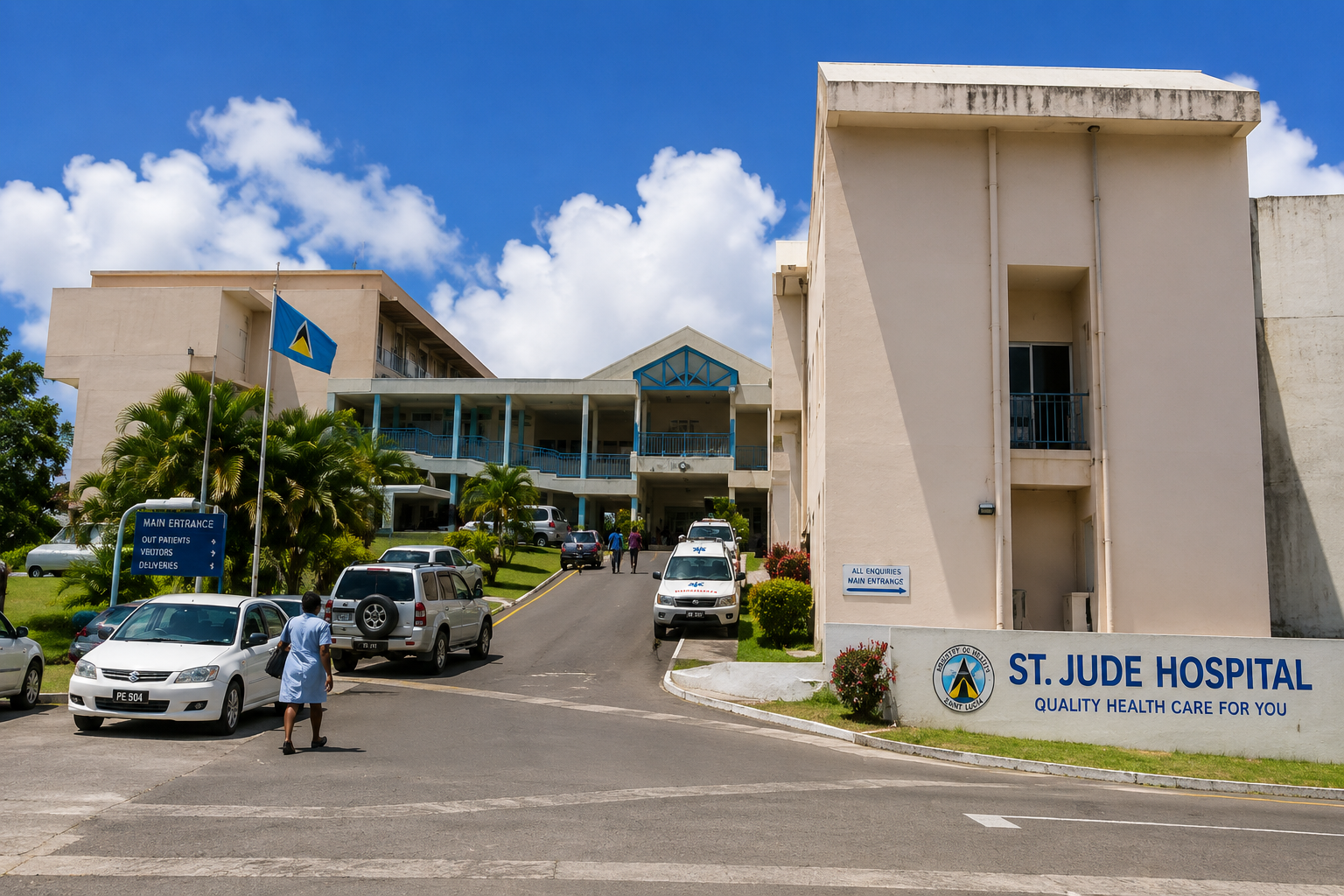
Healthcare is run by the Ministry of Health and Wellness. The system underwent a significant restructuring in 2019-2021 with the opening of the Owen King EU Hospital, the country’s new main public referral facility. The public network is reasonable for a country of this size; complex care typically still means a medical-evacuation flight to Trinidad, Barbados, Miami or the UK.
Main hospitals and facilities
- Owen King EU Hospital (OKEU), Millennium Highway, Castries: the country’s flagship public hospital, opened 2019, approximately 140 beds, with the principal A&E, surgical, maternity, paediatric and specialist outpatient capacity. EU-funded build; replaced the historic Victoria Hospital.
- St Jude Hospital, Vieux Fort: the principal public hospital serving the south of the country. The original 1966 St Jude was destroyed by fire in 2009; the new permanent facility was completed in stages over the following years.
- Tapion Hospital, Castries: the country’s leading private hospital and the most-commonly-used facility for Diaspora returnees with private medical insurance and CBI applicants.
- Soufrière Hospital: the small district hospital serving the south-west.
- Community Health Centres / Polyclinics distributed across the ten quarters provide primary-care, immunisation, antenatal and chronic-disease clinics.
- Medical Evacuation: standard referrals are to the Eric Williams Medical Sciences Complex / Mount Hope in Trinidad, the Queen Elizabeth Hospital in Barbados, Miami private hospitals (Cleveland Clinic Florida, Jackson Memorial), or the UK NHS / private system. Med-evac flights are a real cost line; build them into your insurance.
For older returnees
If you are returning at retirement age, plan three things before you travel. Arrange comprehensive private health cover with strong medical-evacuation cover; for St Lucia this is non-negotiable. Bring a full written record of your medical history and prescriptions; UK NHS summary care records can be requested through your UK GP before travel. And stock a 90-day supply of any critical long-term medication.
For complex specialist care (advanced cardiac, oncology, neurosurgery, advanced neonatal), St Lucia’s standard referral pattern is Trinidad or Barbados in the first instance, and Miami or the UK for tertiary needs. Diaspora returnees with active UK NHS entitlement often plan complex care in the UK on visits; verify your UK entitlement status with HMRC and your local Integrated Care Board before relocating. The 5 March 2026 UK visa change does not affect UK passport-holders, but for dual-only St Lucian passport-holders it adds a planning layer for UK medical visits.
Education and Schools
Education in St Lucia is free and compulsory from age 5 to 16. The system is British-modelled in structure: early childhood, primary, secondary, with sixth-form study at the Sir Arthur Lewis Community College. End-of-secondary qualifications are Caribbean Examinations Council (CXC) CSEC (broadly equivalent to GCSE) and CAPE (broadly equivalent to A-level).
Well-regarded schools
- Primary schools: the country has 73 public primary schools and 7 private (including the well-regarded International School of St Lucia, Montessori Centre, and the church-anchored Roman Catholic primary network).
- Secondary schools: 23 public secondary plus several private. Particularly well-regarded are St Mary’s College (boys, Castries, founded 1890, the alma mater of both Sir Arthur Lewis and Sir Derek Walcott), Saint Joseph’s Convent (girls, Castries), Sir Arthur Lewis Community College Secondary, Vieux Fort Comprehensive Secondary, Castries Comprehensive Secondary, and the new Soufrière Comprehensive Secondary.
- Sir Arthur Lewis Community College (SALCC), Morne Fortune: the country’s principal sixth-form and tertiary institution, offering CAPE A-levels, Associate degree-level qualifications, and the country’s teacher-training and nursing-training pathways. Affiliations with University of the West Indies (UWI) for onward routes.
- UWI Open Campus at Castries: distance and blended-learning UWI undergraduate and postgraduate study from St Lucia.
- International medical schools: the country hosts American International Medical University (AIMU) and the Atlantic University School of Medicine, both US-accredited medical-school operations serving international students.
- Outbound pathways: most St Lucian sixth-form leavers progress to UWI (Cave Hill, Mona, St Augustine), UK universities, US institutions, or Canadian universities. The St Lucia Government National Skills Development Centre administers scholarships and bursaries.
St Lucia’s schooling is solid: small class sizes in the rural quarters, strong CXC results from the leading Castries-area schools, and a well-established sixth-form pathway through SALCC. The honest limitation is breadth of choice at sixth-form level (a smaller A-level subject palette than larger Caribbean countries); ambitious returning families with sixth-form-aged children sometimes plan a Sixth Form / A-level transition back to the UK, particularly given how strong the historic St Lucia-UK education link has been.
Banking, Tax and Money
A few registrations matter for every returning resident settling in St Lucia.
The tax picture, honestly
St Lucia’s tax system is moderate. Personal income tax is banded PAYE from 10 percent (first XCD 10,000 of taxable income above the personal allowance) up to a top rate of 30 percent. VAT applies at 12.5 percent standard rate (7 percent on tourism accommodation, 0 percent on essentials such as basic food, water and pharmaceuticals). Corporate income tax is 30 percent. Property tax is administered by the IRD at modest rates. Stamp duty applies on property transfers. The XCD is pegged to the USD at 2.70.
Inheritance tax: an honest comparison with the UK
This is a real and rarely-discussed advantage for returning Diaspora.
- The UK position: UK Inheritance Tax is currently 40 percent on the value of an estate above the nil-rate band of £325,000 (with an additional £175,000 residence nil-rate band where a main home passes to direct descendants, and full spouse exemption). Most middle-class UK estates with a home and pension are affected.
- The St Lucia position: St Lucia does not impose an inheritance tax or estate tax. Beneficiaries do not pay tax on inherited assets. Stamp duty applies to the registration of the inherited title and is the practical cost line on St Lucia-situs property inheritance.
- The cross-border reality. The same caveat as for every other CARICOM country applies. Because most UK St Lucian Diaspora are UK domiciled (often deemed-domiciled by long UK residence) under HMRC rules, UK Inheritance Tax can still bite on the worldwide estate, even after relocation to St Lucia and even where the assets are St Lucia-situs. Domicile is sticky and very hard to shed. Treat this as one of the most important conversations to have with a qualified UK tax adviser before you go, alongside a St Lucian lawyer for the local Will.
Wills and estate planning
- Why it matters. Many UK St Lucian Diaspora have a UK Will that does not properly cover St Lucia property, or no Will at all. On death this can throw the estate into intestacy across two jurisdictions, which is slow, costly and distressing for family.
- St Lucia is the only common-law-plus-French-civil-law mixed jurisdiction in CARICOM. The St Lucia Civil Code (originally the Code Civil de la Province du Québec, adopted in 1879 and amended since) retains French-civil-law elements in property, succession and obligations, sitting alongside common-law principles. This means succession is not purely common-law in the way Jamaica, Barbados or SKN is. Forced heirship rules historically applied; modern reform has narrowed but not eliminated their reach. This is the single most important honest legal point on the St Lucia page: do not assume your UK Will alone will cleanly govern St Lucia-situs land.
- Widely-recommended practice (not legal advice). Cross-border practitioners commonly recommend two Wills: a UK Will for your UK estate, and a separate St Lucia Will for your St Lucia-situs assets, each containing language making clear it does not revoke the other, and the St Lucia Will properly drafted in compliance with the Civil Code’s succession provisions. Use a local lawyer in Castries.
- The local rules. Inheritance is governed by the St Lucia Civil Code and supporting statute. The Probate Registry of the Eastern Caribbean Supreme Court (headquartered in Saint Lucia, with the Court of Appeal sitting on circuit) handles grants. The Caribbean Court of Justice (CCJ) is the country’s final appellate court since St Lucia acceded to the CCJ’s appellate jurisdiction in 2015. Uncontested probate is usually granted in three to six months; complex estates take longer.
- UK Wills and resealing. A grant of probate obtained from a UK court can be resealed by the Eastern Caribbean Supreme Court Probate Registry under the Colonial Probates Act for the personal-property elements of the estate. For St Lucia-situs land, the Civil Code’s succession provisions may still apply regardless of a UK Will. Confirm with a local lawyer.
- Practical pointers. Name an executor in each jurisdiction. If the executor is not resident in St Lucia, a local agent must be appointed via Power of Attorney to obtain the grant of probate. Review every five years or on a major life event. Tell your executor where the Wills are stored.
This is general information for orientation. Always speak to a qualified local lawyer and a UK tax adviser before drafting or relying on a Will.
The Government of Saint Lucia offers customs concessions for returning nationals through the Customs and Excise Department. A St Lucian returning after a qualifying period abroad (typically at least 10 consecutive years) may import household goods and effects (and, subject to conditions, a vehicle) with relief from some duty. The exact current qualifying period, eligible items and any cap on vehicle age and value are adjusted from time to time; confirm directly with the Customs and Excise Department or via the Diaspora Affairs Office before you ship anything.
Work and Business
As a St Lucian citizen (by descent, naturalisation or CBI), you can live and work in St Lucia without a work permit. Non-citizen non-CBI applicants require a work permit issued by the Labour Department. Non-St Lucian CARICOM nationals can move under the CSME Skills Certificate regime in the 13 eligible tiers.
The main sectors
St Lucia’s economy is dominated by tourism (the largest single sector, the most-developed in the southern Caribbean per-capita, anchored by the Rodney Bay / Cap Estate hotel cluster, the Soufrière luxury-resort belt, and the cruise port at Port Castries plus the developing Pointe Seraphine and Vieux Fort cruise capacity). Other major sectors: banana production (historically the main agricultural export, now significantly diversified into other tropical-fruit and value-add agro-processing), international financial services regulated by the Financial Services Regulatory Authority, construction (CBI-supported), creative industries (St Lucia Jazz Festival, the Carnival, the literary inheritance of Walcott), international medical education exports (AIMU, Atlantic University), and the growing geothermal energy exploration programme around the Qualibou Caldera in Soufrière. The St Lucia Tourism Authority brand identity is anchored to "Live Saint Lucia", launched in the second Pierre administration.
Starting a business
New businesses register through the Registry of Companies and Intellectual Property. Invest Saint Lucia is the national investment-promotion agency.
The Diaspora returnee opportunity in St Lucia is particularly strong in three areas: tourism services (small hotels, villas, food and beverage, dive and water sports, particularly in the Rodney Bay and Soufrière belts), professional services (legal, accountancy, real-estate advisory, particularly around the CBI ecosystem and international financial services), and creative industries (jazz, literature, festival production, the small but growing post-production and Caribbean-music export sector). The trade-off is the same honest one: a small-to-mid market and a high cost of imports limit pure retail and consumer-goods business plans.
Driving and Transport 4-Region
St Lucia drives on the left, the same as the UK. Steering wheels are on the right. The road network is the most-modernised of the OECS islands: the East Coast Highway runs from Castries to Vieux Fort (around 50 minutes), the West Coast Road runs from Castries through Marigot, Anse-la-Raye, Canaries and Soufrière (a slower, scenic route taking around 75-90 minutes one-way to Soufrière), and the Castries-Gros Islet Highway runs north to Cap Estate. The country has two international airports: Hewanorra International (UVF) at Vieux Fort handles long-haul international (the major UK and US routes); George F. L. Charles Airport (SLU) at Vigie, Castries, handles regional inter-island traffic. British Airways operates direct flights from London Gatwick to Hewanorra (around four times weekly); Virgin Atlantic also operates direct UK service to Hewanorra; American Airlines, Delta and JetBlue serve UVF from the US East Coast.
| Licence held | How it works | Where | Cost |
|---|---|---|---|
| UK licence | Visitors must obtain a Visitor’s Driver Permit on arrival. For residence, conversion to a St Lucian licence is needed. | Inland Revenue Department / Traffic Department | ~$22 USD visitor; conversion fee separately |
| US licence | Visitor’s Driver Permit on arrival. | As above | ~$22 USD |
| Canadian licence | Visitor’s Driver Permit on arrival. | As above | ~$22 USD |
| EU licence | Visitor’s Driver Permit on arrival; an International Driving Permit is recommended. | As above | ~$22 USD |
For residence, you will convert to a full St Lucian driver’s licence through the Traffic Department / IRD. Public transport is by privately-run minibus (a colour-coded route system: 1-A buses are Castries-Gros Islet, 2-B are Castries-Vieux Fort, and so on across the country) and private taxi. Most Diaspora returnees keep a private vehicle.
Bringing your pet
Cats and dogs can be brought to St Lucia with proper paperwork. Current requirements typically include an import permit from the Department of Agriculture Veterinary Services Division, microchip identification, current rabies vaccination with a serology test post-vaccination, and a veterinary health certificate issued shortly before travel. The UK is generally an approved-origin country. Confirm the exact current requirements directly with the Veterinary Services Division well before travel.
Internet and Connectivity
Connectivity in St Lucia is among the better OECS markets. The country is served by Flow Saint Lucia (the Liberty Latin America brand, the historic incumbent formerly Cable & Wireless) and Digicel Saint Lucia, the challenger. Both operators offer fibre and cable broadband across the populated quarters, with consumer speeds typically 100 to 500 Mbps in Castries, Rodney Bay, Cap Estate, Vieux Fort and Soufrière.
Mobile is 4G LTE across most of the country; 5G launched in St Lucia in 2024, initially in Castries, Rodney Bay and Vieux Fort, with broader rollout expected through 2026. Standalone broadband typically runs from XCD 180 to 500 per month (around US $70 to $190).
Starlink became available in St Lucia in 2024 and is increasingly used as a resilience layer, particularly given the country’s hurricane exposure. Power supply via LUCELEC (the publicly-listed national power utility) is generally reliable but diesel-dominated; an inverter or generator stack is a sensible resilience investment.
Safety: The Honest Picture
The UK FCDO publishes standard precautions for St Lucia, with no specific travel restriction and a small number of practical pointers (avoid isolated beach areas after dark, take care in central Castries late at night). The US State Department rates St Lucia at Level 2 ("Exercise Increased Caution") citing crime; in practical terms, tourist areas (Rodney Bay, Cap Estate, Soufrière, Marigot Bay, Pigeon Island) are generally safe and the Royal Saint Lucia Police Force has community police on Diaspora-frequented routes. The honest national picture: St Lucia has had a notably elevated homicide rate per capita in recent years (a record peak in 2024 with over 80 homicides drove a national security review under PM Pierre), driven largely by gang-related and drug-trade transit violence concentrated in specific neighbourhoods well outside the tourism belt. The 2025 figures showed a meaningful decline under intensified policing measures; the December 2025 election was fought partly on national security, and the Pierre government’s landslide return was widely interpreted as a mandate for the continuation of those measures.
Environmental risks: St Lucia sits in the Atlantic hurricane corridor. Hurricane Allen (August 1980) is the historical reference point; Hurricane Tomas (October 2010) caused widespread damage particularly in the south; Hurricane Beryl (July 2024) caused damage in the south of the country. Earthquake risk is moderate as part of the Caribbean Plate boundary, and the active Qualibou Caldera at Soufrière is monitored continuously by the UWI Seismic Research Centre at St Augustine.
Returning Diaspora who settle in the Rodney Bay / Cap Estate / Marigot Bay / Soufrière belts and the better Castries neighbourhoods (Vigie, La Toc, Bois d’Orange) report very high day-to-day safety, with the elevated homicide picture being a separate, neighbourhood-specific public-health concern that the Government has prioritised. Use the same situational awareness you would use in any mid-sized country: avoid unlit areas after dark, do not carry large amounts of cash, and keep your local relationships current. The Pierre administration’s national security focus, anchored in the December 2025 election outcome, is the immediate political context.
Before you travel, check the official FCDO travel advice for St Lucia.
Diaspora Missions, UK Association and Community 4-Region
The country’s diplomatic and Diaspora representation, plus the community channels you can plug into. The UK St Lucian Diaspora is one of the largest in CARICOM by absolute size and the High Commission in London operates an active Diaspora engagement programme. The Government has a dedicated Diaspora Affairs Office within the Ministry of External Affairs.
UK Diaspora Associations
The UK St Lucian Diaspora is large and historically deep-rooted, dating back to the Windrush generation and the 1950s-1960s recruitment-led migration to UK textile mills, hospitals, transport and London Underground. Major UK centres are London (particularly Brixton, Tottenham, Hackney, Lambeth and Lewisham), the West Midlands (Birmingham, Wolverhampton, Walsall), Reading and Slough, Leeds and Sheffield, and Bristol. Major UK Diaspora organisations include:
- Saint Lucia House Foundation UK: the umbrella body associated with the Saint Lucia House in London, the long-established UK centre of St Lucian community, cultural and welfare activity.
- St Lucia UK Diaspora Council: the formal UK Diaspora liaison body recognised by the Saint Lucia High Commission and the Diaspora Affairs Office.
- Saint Lucia London Community and regional Saint Lucia community associations across the West Midlands, Reading, Leeds and Sheffield.
- St Lucia Hospitality and Tourism Association UK for trade and tourism promotion.
- Friends of Saint Lucia UK and various church-anchored community associations across the London, Birmingham and Reading church networks.
- The Saint Lucia Cricket Supporters UK and the Diaspora networks around the West Indies cricket team.
- Cross-Caribbean umbrellas: the British Caribbean Association (BCA), the Caribbean & African Health Network (CAHN), the Voice Newspaper, BBC 1Xtra and pan-Caribbean Diaspora networks serve UK St Lucians alongside other CARICOM nationals.
- Online community: the diaspora.gov.lc portal operated by the Diaspora Affairs Office (Ministry of External Affairs, Baywalk Mall Rodney Bay, Gros Islet) coordinates the global Diaspora register, skills database and return-engagement programmes.
Facebook Groups and Pages
Where the UK Diaspora can plug into St Lucian community life online. A curated list, not exhaustive:
- Saint Lucia High Commission in London, the official Diaspora liaison page.
- Government of Saint Lucia and Office of the Prime Minister, central Government pages.
- Saint Lucia Tourism Authority (Live Saint Lucia), the official tourism page.
- St Lucia Times, The Voice (St Lucia), Loop Saint Lucia, and HTS Saint Lucia, the leading independent news outlets.
- Saint Lucia House Foundation UK, the principal UK Diaspora umbrella page.
- Saint Lucia London Community, Saint Lucians in Birmingham, and the regional UK Diaspora group pages.
- The Caribbean Diaspora, British Caribbean Development and the broader Pan-Caribbean UK community groups, where St Lucians are well-represented.
Not sure where to start?
Map your move with the Relocation Intelligence Calculator: your citizenship eligibility, budget and timeline, costed clearly.
Your First Steps
- Confirm your citizenship route. For UK-born children and now grandchildren of St Lucians, the descent route was meaningfully broadened by the 26 June 2024 Citizenship Act amendment. Start with the Saint Lucia High Commission in London or the Ministry of Home Affairs directly.
- If you will retain a St Lucian-only passport (no UK passport), factor in the 5 March 2026 UK visa change in your travel planning. If you hold both passports, your UK travel is unchanged.
- Choose your settlement: Rodney Bay / Cap Estate for the premium and Diaspora-returnee belt; Castries for working-age convenience; Marigot Bay or Soufrière for the scenic retirement option; Vieux Fort for affordability and southern access.
- Register with the Diaspora Affairs Office (Baywalk Mall Rodney Bay, Gros Islet) before you travel. They coordinate the Returning Nationals customs concessions and the practical return-support pipeline.
- Register with the National Insurance Corporation and the Inland Revenue Department for a TIN on arrival.
- Arrange private health cover with strong medical-evacuation cover (Trinidad / Barbados / Miami / UK). Bring full medical records and at least 90 days of any critical prescriptions.
- Speak to a qualified local lawyer about a St Lucia Will to sit alongside any UK Will. St Lucia’s Civil Code legacy is the most important honest legal point on the page: do not assume your UK Will alone will cleanly govern St Lucia-situs land.
- If you are buying property, do a full title search through the Land Registry. Verify Alien Land Holding Licence requirements if you have not yet registered citizenship.
- Confirm Returning Resident customs concessions directly with the Customs and Excise Department before you ship anything.
- Plan air access: BA and Virgin Atlantic both serve Hewanorra International (UVF) direct from London Gatwick. Hewanorra is in Vieux Fort in the far south; allow 60-90 minutes by road to Castries, longer to Rodney Bay or Cap Estate.
- Run your numbers through the Relocation Calculator and plan your shipping with the 2026 Shipping Bible.
Tools and Quick Links
CARICOM Heroes & Notable Figures
The people who shaped Saint Lucia — honoured at home and across the diaspora. See them on our Caribbean Events Calendar.