🇧🇸 Moving to The Bahamas from the UK
The Commonwealth of The Bahamas, an archipelago of around 700 islands and cays spread across the warm Atlantic, is one of the most established homes for the global Diaspora in the wider Caribbean.
For Bahamian families abroad, this guide gives you everything needed to make the decision honestly: citizenship, real cost of living, healthcare, property, banking and the practical first steps. The Bahamas has real strengths, no income tax and a stable, English-speaking society, and real challenges, a high cost of living and a serious approach needed on safety. We tell you both, challenges and all.
Identity and Culture
Before the practicalities, this is the place. Its symbols, its sound, its flavour. Knowing them is part of feeling you belong here again.
National Flag
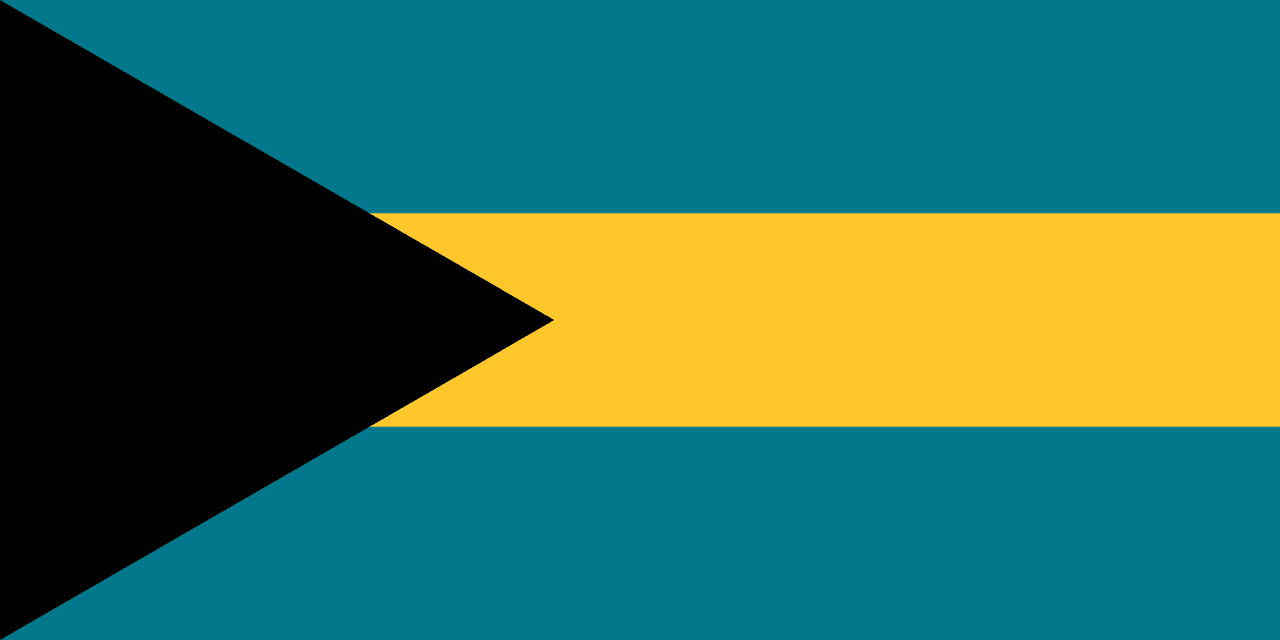
Three horizontal bands, aquamarine, gold, aquamarine, with a black triangle at the hoist. Aquamarine is the sea, gold the sun and beaches, and the black triangle the strength and unity of the Bahamian people.
Coat of Arms
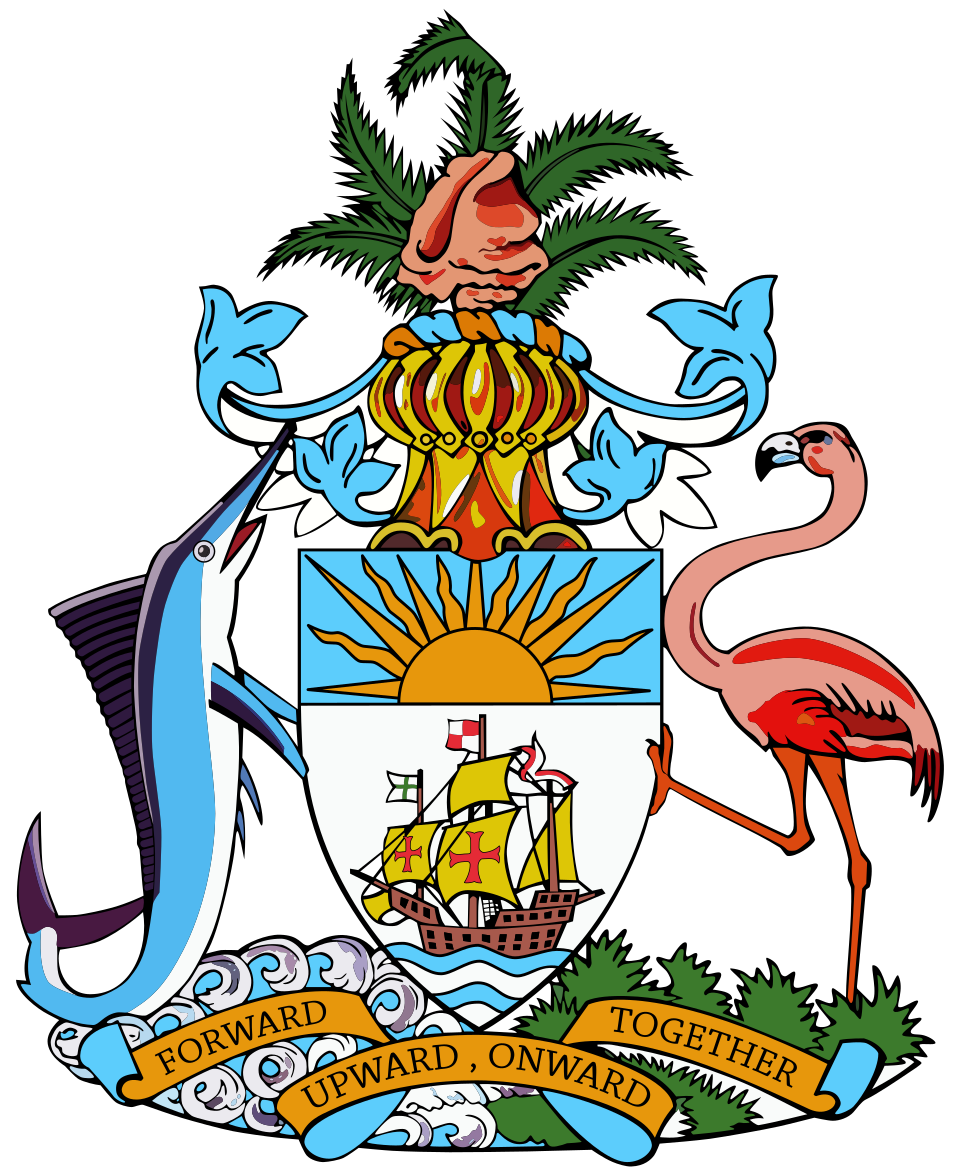
A shield bearing the Santa Maria beneath a golden sun, crested by a conch shell and palm fronds, supported by a marlin and a flamingo. Approved in 1971, designed by the Bahamian artist Dr Hervis Bain Jr.
National Motto
"Forward, Upward, Onward, Together." A nation moving ahead as one people.
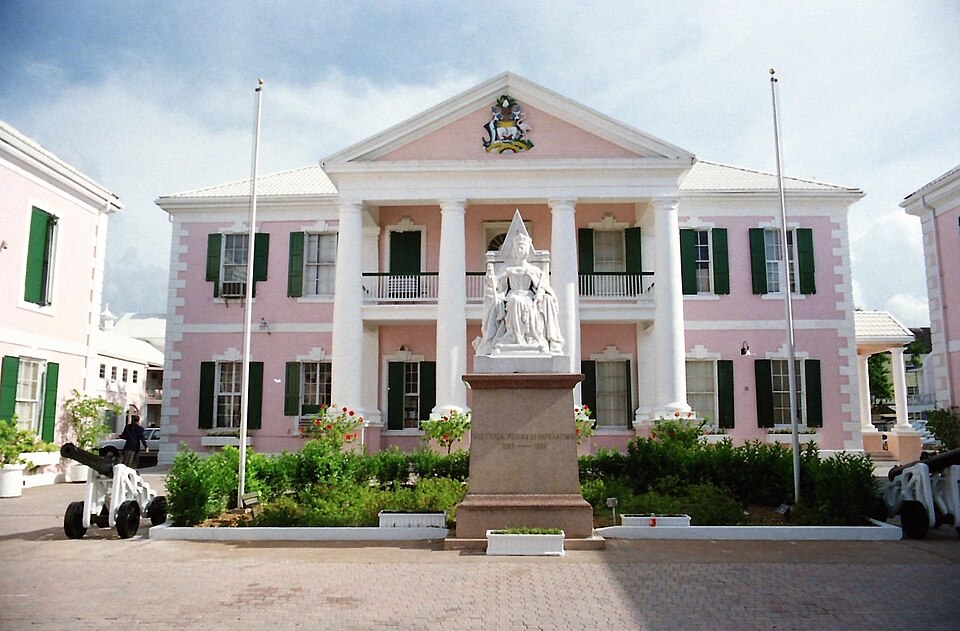
Seat of Government
National Anthem
"March On, Bahamaland," composed by Timothy Gibson and adopted at independence in 1973.
National Dish
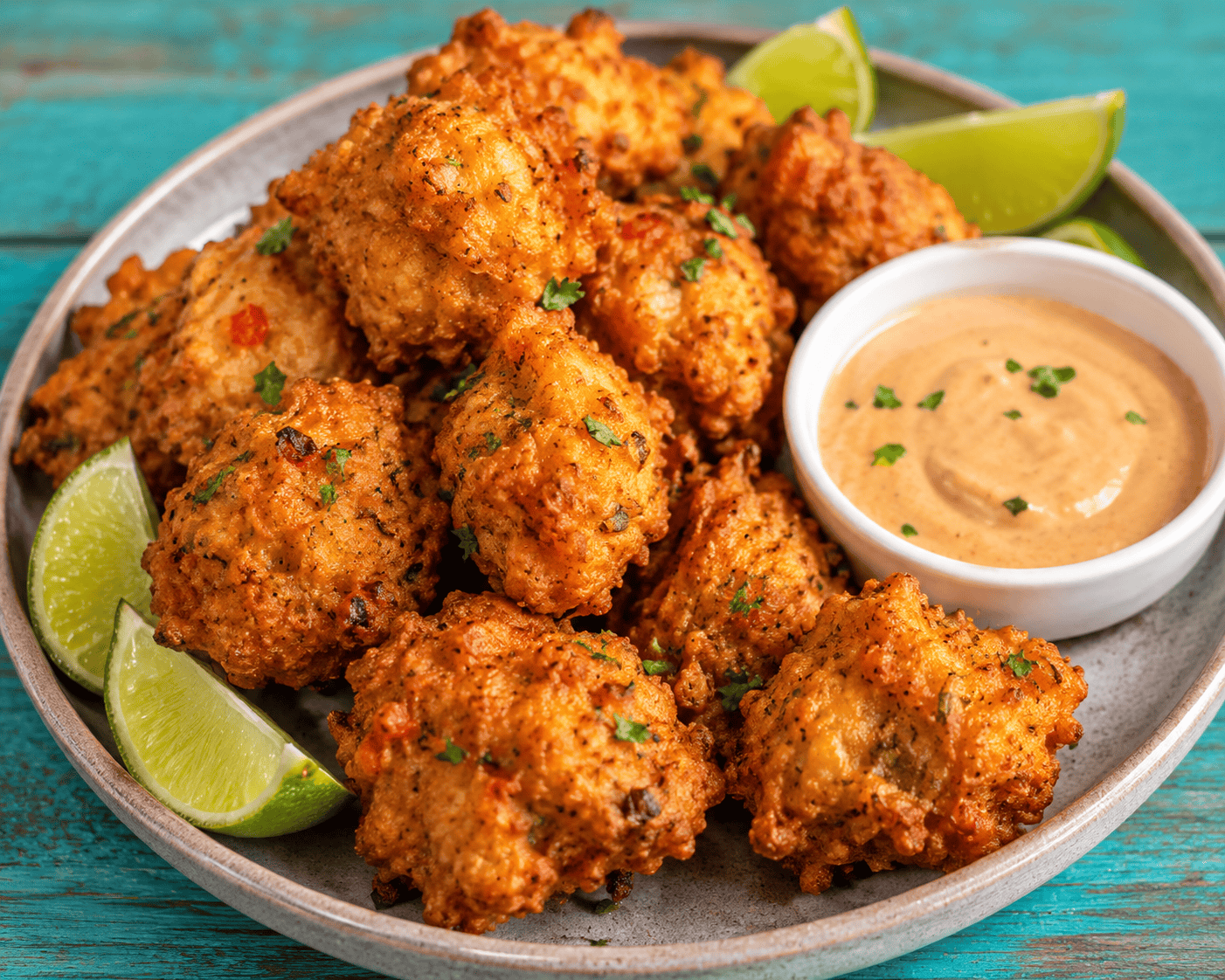
Conch, pronounced "konk," is the national favourite, served as conch salad, cracked conch or in fritters. Switcha, a fresh limeade, is the everyday drink.
Did You Know
The Bahamas is around 700 islands and cays, though only about 30 are inhabited. Junkanoo, the dazzling street parade of music and costume, is the heartbeat of Bahamian culture.
Country Code
Dialling The Bahamas from abroad uses the +1 242 code.
A quick orientation. The Bahamas is an English-speaking archipelago spread across some 30 inhabited islands, with a population near 400,000 concentrated on New Providence (Nassau) and Grand Bahama (Freeport). Its culture blends African-Caribbean heritage with British colonial history — cricket, a Westminster parliament and English common law sit alongside Junkanoo, the exuberant national street festival of music and costume held at Christmas and New Year. Proximity matters too: Nassau is under an hour's flight from Miami, which shapes shopping, healthcare and business links and makes the US diaspora connection especially strong.
Leadership: Who Runs the Country
Like walking into the High Commission. You should know who is in charge, and where the seat of government is. The Bahamas is a constitutional monarchy with a Westminster-style parliament.
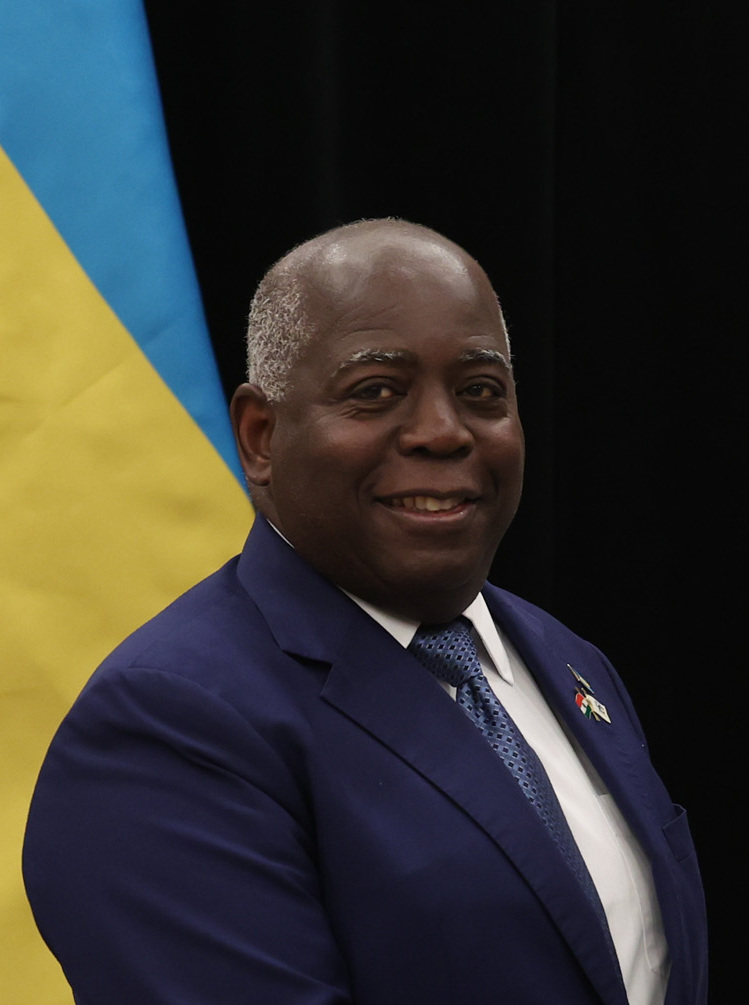
As of 2026, The Bahamas is a constitutional monarchy and Commonwealth realm. The head of state is King Charles III, represented locally by the Governor-General, Dame Cynthia A. Pratt. Executive government is led by the Prime Minister, Philip Davis KC, returned at the 2026 general election and sworn in for a second consecutive term on 14 May 2026 — the first Bahamian PM re-elected to back-to-back terms since 1997. Real power sits with the elected House of Assembly in Nassau, not the Crown. For a returning family the practical point is stability: the Westminster-style system, English common law and an independent judiciary feel familiar to anyone arriving from the UK.
Citizenship and Passport Eligibility 4-Region
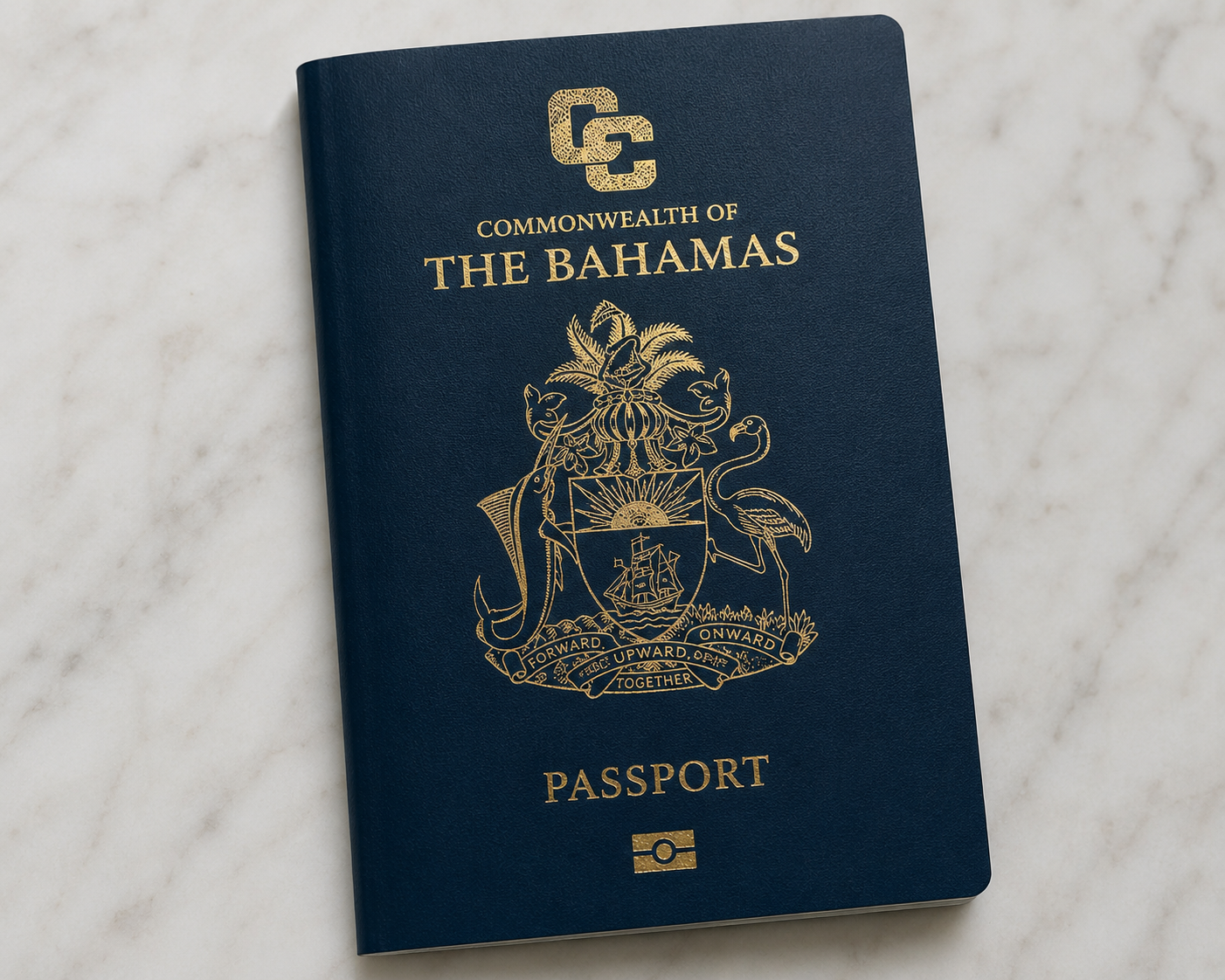
This is the most important section to read carefully, because Bahamian citizenship works differently from many Caribbean countries, and the honest picture matters more than a hopeful one.
The routes to citizenship
Bahamian nationality comes mainly by birth in the Bahamas, by descent, by marriage, or by naturalisation after long residence. The descent rules are specific. A person born abroad to a Bahamian father is generally a citizen from birth. A person born abroad to a Bahamian mother and a non-Bahamian father is not automatically a citizen: they are entitled to apply to be registered, but only between their 18th and 21st birthdays. That is a narrow window, and if it closes the route can be lost. Naturalisation requires long lawful residence in the Bahamas itself, roughly ten years of permanent residence including six years lived in the country, so it cannot be built up from abroad. There is no citizenship-by-investment programme.
The Bahamas generally does not allow dual citizenship for adults. Once a person is over the age of 21, taking up Bahamian citizenship usually means renouncing their existing nationality, including British citizenship. This is the opposite of some other Caribbean countries, and it makes claiming Bahamian citizenship a serious, often irreversible decision rather than a free addition. If you hold a British, American or Canadian passport, do not assume you can simply add a Bahamian one. Take proper advice from the High Commission, and from an immigration lawyer, before you act.
Where to get help, by region
| From | Where to enquire |
|---|---|
| United Kingdom | Bahamas High Commission, 10 Chesterfield Street, London W1J 5JL |
| USA | Bahamas Embassy, 2220 Massachusetts Avenue NW, Washington D.C. 20008; or the Consulates in New York, Miami and Atlanta |
| Canada | Bahamas High Commission, 50 O'Connor Street, Suite 1313, Ottawa, ON K1P 6L2 |
| Europe | The London High Commission also serves several European countries |
| In the Bahamas | The Department of Immigration, Hawkins Hill, Nassau |
Residence routes (2026). The Bahamas does not run a citizenship-by-investment programme. It offers Annual Residence, Permanent Residence and the Economic Permanent Residence (EPR) route. Since 1 January 2025 the EPR minimum investment is BSD $1,000,000 (roughly £790,000 / US$1,000,000) placed in qualifying Bahamian real estate or Central Bank zero-coupon bonds and held at least ten years; applications above US$1.5m are fast-tracked to about 3–6 months rather than up to 18. Owning a home worth US$750,000 or more also earns accelerated consideration for permanent residence. Note that permanent residence grants the right to live in The Bahamas, not automatically to work — paid employment or a business needs a separate work permit or business licence (see Work and Business).
Lighter-touch options. Not everyone needs permanent residence. The Bahamas issues an Annual Residence permit, renewable yearly, which suits people testing the waters or splitting time between countries, and a Homeowner's Resident Card for anyone who owns a residence, giving the owner and immediate family the right to enter and remain through the year. Retirees with independent means are well catered for, since none of these routes require you to work locally. Whichever you choose, applications go through the Department of Immigration and run more smoothly with a Bahamian attorney and clean, well-presented financial and character documents.
Cost of Living 4-Region
An honest monthly comparison: your home city versus life in the Bahamas, in your own currency. This is the part to read with clear eyes. The Bahamas is expensive. Nassau ranks among the most costly cities in the world, because almost everything is imported and carries duty and VAT. It is not a cheap place to live, and a realistic budget matters.
| Monthly expense | London £ | New York $ | Toronto C$ | Bahamas (local) |
|---|---|---|---|---|
| Single person, all in (incl. rent) | £3,000 | $4,800 | C$3,800 | ~$3,742 BSD |
| Family of four, all in (incl. rent) | £5,500 | $8,500 | C$7,000 | ~$7,106 BSD |
| Single person, excluding rent | £1,100 | $1,700 | C$1,400 | ~$2,092 BSD |
| Broadband internet | £35 | $70 | C$80 | ~$70 to $85 BSD |
| VAT on most goods and services | 20% | Varies | 13% | 12% |
The Bahamas has no income tax, which is a genuine and lasting advantage. But the day-to-day cost of living is high, higher than much of the UK outside London, because imports, duty and 12 percent VAT push up the price of food, cars, fuel and electricity. The Family Islands can be a little cheaper for housing than Nassau, but services there are more limited. Budget honestly: the tax saving is real, but so is the shopping bill.
The honest budget picture. The Bahamas is one of the more expensive Caribbean destinations, and the reason is imports: almost everything except seafood and some produce is shipped in and carries customs duty plus 10% VAT (5% on many essentials such as basic foods, medicines and hygiene products, with unprepared supermarket food relieved of VAT from 1 April 2026). Nassau and Paradise Island command the highest rents and grocery bills; the Family Islands are cheaper to live on but pricier to supply. The offset is that there is no income tax on salary, pension or investment income, so a higher cost of living is partly balanced by keeping all of what you earn. Budget realistically for electricity, private schooling and health insurance — the line items that surprise most new arrivals.
Where the money goes. Rent is the biggest variable: central Nassau and Paradise Island command the highest prices, while Grand Bahama and the Family Islands are more moderate. Electricity is notably expensive because much is generated from imported fuel, so budget for air-conditioning. Groceries run well above UK prices for imported items, though local seafood and some produce are good value. Set against that, the absence of income tax and the currency's 1:1 peg to the US dollar make budgeting predictable once you know your rent and school fees.
Housing and Property
Most returnees rent for 6 to 12 months before buying, which is sensible advice anywhere but especially across a 700-island country where each island feels different. As a Bahamian citizen you can buy property freely; non-citizens can also buy but register the purchase with the authorities.
Where returnees tend to settle
This is about the character of each area, not a safety ranking. The right choice depends on what your family needs.
- New Providence (Nassau and its suburbs) is where most people land. It has the widest choice of jobs, schools, hospitals and shops. Areas to the west, such as Cable Beach and Sandyport, are quieter and family-oriented; the city itself is busier and more urban.
- Grand Bahama (Freeport) is the second hub, more spread out and calmer than Nassau, with its own hospital and an international airport, though its economy is smaller and still recovering from past hurricanes.
- The Family Islands (Out Islands), such as Eleuthera, Abaco, Exuma and Long Island, are quiet, close-knit and beautiful, with a much slower pace and lower crime. The trade-off is fewer services: smaller clinics, fewer schools, and a real reliance on ferries and small flights.
Decide what matters most before you choose an island. If you need regular hospital care, frequent schooling options or a steady job market, New Providence or Grand Bahama make practical sense. A Family Island is wonderful for peace and community, but be honest with yourself about the distance to specialist healthcare and the cost of inter-island travel.
Buying as a non-Bahamian. Foreign ownership is straightforward under the International Persons Landholding Act 1994. A non-Bahamian buying a single-family home or condo of up to two acres needs no prior government permit — you simply register the purchase with the Investments Board (registration around US$250). A permit (about US$500) is only needed for undeveloped land over two acres or property you intend to rent out commercially. Budget for VAT on the purchase — 10% on transactions over US$100,000, 2.5% below — usually split between buyer and seller, plus legal and stamp costs. There are no restrictions on selling on or repatriating proceeds, and a qualifying purchase can also open the door to permanent residence.
Healthcare
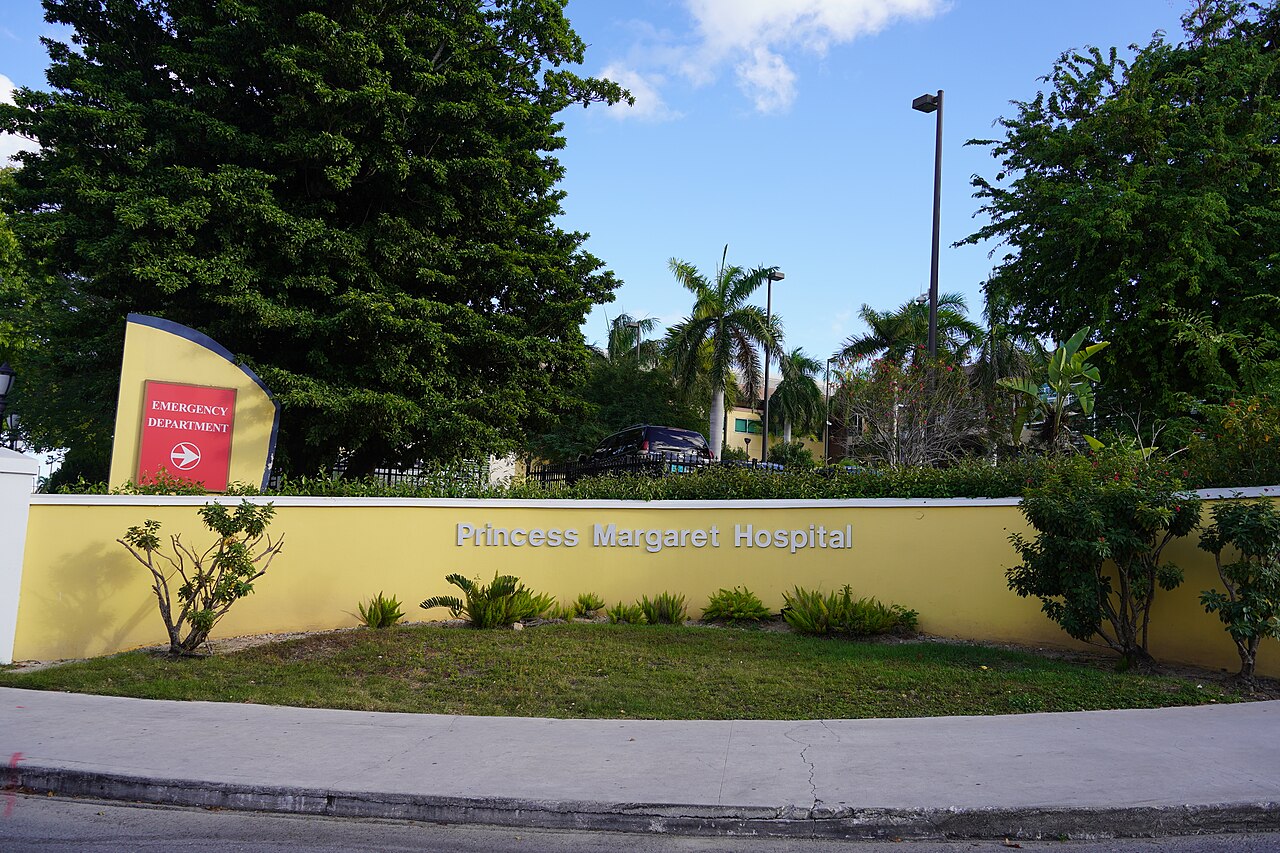
The Bahamas has a mix of public and private healthcare, and since 2016 a National Health Insurance (NHI) scheme that gives residents access to a package of primary-care services. Standards in Nassau and Freeport are reasonable for everyday and most secondary care; the Family Islands rely on smaller clinics.
Main hospitals
Because the Bahamas is a larger, multi-island country, it genuinely has several facilities, not just one:
- Princess Margaret Hospital, Nassau, the main public hospital and the national referral centre, with around 405 beds and the country's main trauma unit.
- Doctors Hospital, Nassau, the leading private hospital, around 72 beds, internationally accredited, used for faster access and specialist care.
- Rand Memorial Hospital, Freeport, the main public hospital for Grand Bahama, around 85 to 90 beds.
- Family Island clinics across the Out Islands handle routine care, with more serious cases transferred to Nassau.
For older returnees
If you are returning at retirement age, plan three things before you travel. Arrange private health cover before arrival, as cover taken out later in life costs more, and check whether any UK or other policy you hold will travel with you. Bring a full written record of your medical history and current prescriptions so a local doctor can continue your care without gaps, and check that any long-term medication you depend on is reliably available locally. And think carefully about island choice: living far from Nassau or Freeport means a longer journey to specialist and emergency care.
The Bahamas handles everyday and most secondary care well, but for complex or critical treatment patients are sometimes evacuated to Miami, which is close but expensive. Make sure your health cover includes medical evacuation, and factor that into your planning.
What cover you actually need. The public system centres on the Princess Margaret Hospital in Nassau, alongside the National Health Insurance (NHI) scheme — but NHI currently covers primary care only (GP visits, basic tests, telehealth) and is aimed at Bahamian citizens and legal residents; short-term expats are not eligible, and it excludes hospital admissions, specialists, maternity and emergencies. For that reason comprehensive private health insurance is effectively essential when relocating. Private care is good: Doctors Hospital in Nassau holds Joint Commission International accreditation (the standard used for leading US hospitals), and Lyford Cay Hospital serves western New Providence. For complex treatment many residents still travel to Florida, so choose a policy with regional/US cover and medical evacuation.
Education and Schools
Education is free and compulsory for ages 5 to 16, on a British-modelled system. National exams come in stages: the GLAT assessments in grades 3 and 6, the Bahamas Junior Certificate (BJC) around grade 9, and the Bahamas General Certificate of Secondary Education (BGCSE), the main exit exam, in grade 12. The BGCSE is built on the UK GCSE model. The University of The Bahamas is the national university.
Well-regarded schools
For returnee families, the main private and international options include:
- St Andrew's School, Nassau, an established international school offering the International Baccalaureate, with fees roughly B$5,580 to B$13,635 a year.
- Lyford Cay International School, Nassau, a non-profit school offering the full range of IB programmes, with fees roughly B$14,040 to B$21,510 a year.
- Queen's College, Nassau, the oldest private school in the country, Methodist and government grant-aided, following the national curriculum.
- Kingsway Academy and Windsor School, both well-established Nassau schools, the latter following a US-style curriculum.
The sought-after private and international schools have waiting lists and there is no government subsidy for their fees. Public schooling is free, and quality varies by school and island, with some of the strongest results in the private sector and certain Family Island schools. Research and apply well before your move, and on a Family Island, check what secondary schooling is realistically within reach.
Schooling options. The Bahamas has a full public school system plus a well-regarded independent sector concentrated in Nassau, where relocating families most often look. Established private schools such as St Andrew's International School and the Lyford Cay International School offer British and international curricula (including the IB), while others follow US or Bahamian programmes; places at the most sought-after schools can be competitive, so apply early. For higher education the University of The Bahamas is the national institution, and many students go on to universities in the US, UK or Canada. Budget for private-school fees, a significant line item for families used to free UK state schooling.
Banking, Tax and Money
A few registrations matter for every returning resident settling in the Bahamas.
The tax picture, honestly
The Bahamas has no personal income tax, no capital gains tax and no inheritance tax. That is a genuine, long-standing advantage and one of the main reasons people choose the country. What you meet instead is Value Added Tax (VAT) at a standard 12 percent on most goods and services, import duty on goods brought into the country, and an annual real property tax, which can run up to around 2 percent of value depending on the property, with exemptions for some owner-occupied Bahamian homes. The cost shows up in prices, not in a payslip deduction.
Caribbean countries commonly allow a returning national who has lived abroad for a continuous qualifying period to import household goods, and sometimes a vehicle, with some relief from import duty. The exact qualifying years and the list of eligible items vary by country and are set by the customs authority. Confirm the current Bahamas rule directly with the Bahamas Customs Department before you ship anything, as this was not verified at build and should not be assumed.
A genuinely tax-neutral base. The Bahamas levies no personal income tax, no capital gains tax and no inheritance or estate tax. Revenue comes instead from 10% VAT, customs duties and an annual real-property tax on higher-value homes. That is attractive for pensioners and location-independent professionals — with two cautions. US citizens remain taxed by the IRS on worldwide income wherever they live, so American returnees still file at home. And Bahamian banks apply strict know-your-customer rules: opening an account needs references, proof of address and proof of funds, so arrive with organised paperwork and expect it to take longer than in the UK. Many new residents keep a UK or US account open through the transition.
Work and Business
As a Bahamian citizen you can live and work in the Bahamas freely, with no work permit needed. That is one of the real advantages of returning as a citizen rather than a foreign worker.
The main sectors
Two pillars carry the economy. Tourism is by far the largest, supporting a very large share of jobs and national income through hotels, resorts, cruise visitors and related services. Financial services is the second pillar: the Bahamas is a long-established international banking and wealth-management centre, mostly based in Nassau. Beyond these, construction, retail and maritime services provide steady work.
Starting a business
New businesses register with the relevant government departments, and the Bahamas Investment Authority acts as a point of contact for larger investment projects. The country's no-income-tax setting can be attractive for a business, though you should take local accounting and legal advice on company registration, VAT and licensing before you start.
Tourism work is seasonal, and outside Nassau and Freeport the local job market is small. A returnee business often does best when it serves visitors, the Diaspora or an online market beyond the islands, rather than relying on local demand on a single island alone.
Permits and business licences. Residence alone does not let you take a job. To work for a Bahamian employer you need a work permit, normally applied for by the employer for a specific role where a qualified Bahamian isn't available; to run your own venture you register a company and obtain a Business Licence. The strongest sectors are tourism and hospitality, financial and professional services, construction, and the fast-growing digital/remote-work economy — the last of which suits diaspora professionals who keep overseas clients while based in Nassau. If your plan is a business rather than a job, factor the licence, national insurance contributions and any work permits for imported staff into first-year costs.
Driving and Transport 4-Region
The Bahamas drives on the left, the same as the UK, which UK returnees find familiar. One quirk worth knowing: most cars in the Bahamas are imported from the United States and so are left-hand drive, even though traffic keeps to the left.
| Licence held | How it works |
|---|---|
| UK licence | You can drive on a UK photocard licence for up to 3 months. Staying longer or living there, you must get a Bahamian licence. |
| US licence | Short visits on a home licence; for residence, obtain a Bahamian licence. Confirm the current period locally. |
| Canadian licence | Short visits on a home licence; for residence, obtain a Bahamian licence. Confirm the current period locally. |
| EU licence | Short visits on a home licence; for residence, obtain a Bahamian licence. Confirm the current period locally. |
The UK row is confirmed by FCDO advice; the exact short-stay period for US, Canada and EU licences will be confirmed in the four-region build. A Bahamian licence is obtained through the Road Traffic Department.
Bringing your pet
Cats and dogs can be brought to the Bahamas, but you must obtain an import permit from the Bahamas Department of Agriculture before travel, and the animal will need to meet vaccination and health-certificate requirements. The exact current requirements, fees and any age or breed conditions were not verified at build, so confirm them directly with the Department of Agriculture well before you plan to travel.
Driving is on the left, as in the UK — an immediate advantage for British arrivals. A valid UK, US, Canadian or EU licence lets a bona-fide visitor drive for up to three months; beyond that you convert to a Bahamian licence via the Road Traffic Department. One quirk: although traffic keeps left, most cars are imported second-hand from the United States and are therefore left-hand drive, which takes adjustment when overtaking. Nassau has buses (jitneys) and taxis, but the Family Islands have little public transport, so a car — or a golf cart on the smaller cays — is usually essential. Importing your own vehicle attracts significant customs duty, so many people buy locally on arrival.
Internet and Connectivity
Connectivity in the Bahamas is good in the main centres and steadily improving elsewhere, which matters if you plan to work remotely. There are two licensed operators, BTC (the Bahamas Telecommunications Company) and Aliv, run by Cable Bahamas. The sector is regulated by URCA.
Both operators have rolled out fibre-to-the-home with speeds up to 1 Gbps. BTC's mid-tier fibre plans run roughly $70 to $85 a month; Aliv Fibr plans run from around $54.50 up to $150 depending on speed. Mobile 4G LTE reaches roughly 95 to 97 percent of the population, with some 5G in New Providence and Grand Bahama.
For the Family Islands, where fibre and mobile coverage can be patchy, Starlink satellite internet has become very popular since it was licensed in 2023. It is licensed for fixed broadband only, not mobile service. If you are settling on an Out Island and need reliable internet for work, Starlink is worth considering alongside the local providers.
Connectivity for remote work. New Providence and Grand Bahama have reliable fibre and mobile broadband through the main providers — more than adequate for video calls and running an online business from Nassau. Coverage thins on the smaller Family Islands, where speeds vary and a backup mobile data plan, or increasingly a Starlink-style satellite link, is worth having if your income depends on being online. If remote work is central to your move, confirm the actual service at your specific address before you commit; island-to-island differences are real.
Safety: The Honest Picture
This section needs reading carefully, because the honest picture for the Bahamas is firmer than for some other Caribbean countries, and you deserve to plan with clear eyes.
The US State Department rates the Bahamas Level 2, "exercise increased caution," because of crime. The UK FCDO notes that there have been violent crimes and armed robberies, sometimes fatal, in residential and tourist areas of New Providence (Nassau) and Grand Bahama (Freeport). It advises against going on foot outside the main tourist areas, particularly alone, and singles out the "Over the Hill" area of Nassau, south of Shirley Street, as one to avoid. Most crime is concentrated in those two islands; the Family Islands are considerably calmer.
There are also water-specific risks the FCDO is clear about. Fatal shark attacks can happen, and night swimming raises the risk. The water sports industry is poorly regulated, with deaths and serious injuries linked to jet skis and other craft, and there have been reports of assaults by some jet ski operators. Treat organised water activities with care, and never enter water that has been baited.
The Caribbean hurricane season runs June to November. The Bahamas has been hit hard before, most severely by Hurricane Dorian in 2019, so know the local guidance and your nearest shelter.
None of this means the Bahamas is unsafe to live in. Many thousands of people, Bahamian and returnee, live good, settled lives there. But it does mean choosing your island and neighbourhood with real care, taking everyday security seriously in Nassau and Freeport, and not relying on a postcard image. If a calmer pace matters most to you, the Family Islands are worth a serious look.
Before you travel, check the official FCDO travel advice for the Bahamas.
The geography of risk. Most serious crime is concentrated in specific parts of New Providence (Nassau) and Grand Bahama (Freeport); UK and US governments advise particular care in Nassau's Over-the-Hill area south of Shirley Street. Tourist corridors and gated communities are generally well policed, and the Family Islands — Abaco, Andros, Eleuthera, the Exumas and the smaller cays — see very little violent crime and are where many relocating families and retirees choose to settle for exactly that reason. Sensible precautions are those you'd take in any city: be aware after dark, secure your home, avoid flashing valuables. Check current UK FCDO and US State Department advice before choosing an island and neighbourhood.
Diaspora Missions 4-Region
The country's diplomatic missions serving the Diaspora. Your first point of contact for citizenship enquiries, passports and document certification.
High Commissioner: H.E. Paul Andrew Gomez.
Consulates also in New York, Miami and Atlanta.
High Commissioner: H.E. V. Alfred Gray.
Unlike some smaller Caribbean nations, the Bahamas has all four regions properly covered: a High Commission in London (which also serves much of Europe), an Embassy in Washington with consulates across the eastern United States, and a High Commission in Ottawa. Wherever in the Diaspora you are, there is an official point of contact.
Not sure where to start?
Map your move with the Relocation Intelligence Calculator: your citizenship eligibility, budget and timeline, costed clearly.
Official links and community. Wherever you're moving from, start with the nearest Bahamian mission: the Bahamas High Commission in London serves the UK, with embassies and consulates covering the USA (Washington DC, plus consulates including Miami and New York) and Canada. They handle visas, document authentication and practical guidance, and are the right first port of call to confirm current requirements before you travel. Alongside them, Bahamian and wider Caribbean diaspora associations across the UK, US and Canada are invaluable for on-the-ground advice, contacts and a soft landing — and Drop Da Pin's directory and community pages are built to help you find them.
Your First Steps
- Work out your citizenship position honestly. Speak to the High Commission and, if needed, an immigration lawyer, especially about the dual-citizenship question before you give anything up.
- Gather and Apostille your documents, starting with the birth and marriage certificates that link you to your Bahamian parent.
- Decide which island suits your family, weighing jobs, schools, healthcare and pace of life.
- Arrange private health cover, and bring full medical records and prescriptions.
- Confirm Returning Resident customs concessions directly with the Bahamas Customs Department before you ship anything.
- Run your numbers through the Relocation Calculator and plan your shipping with the 2026 Shipping Bible.
A practical order of play. First, decide which island — Nassau for jobs, schools and hospitals; a Family Island for space, safety and a slower pace. Second, choose your legal route: a job offer plus work permit, an Annual or Permanent Residence application, or Economic Permanent Residence if you're investing. Third, line up private health insurance with US/regional cover before you arrive. Fourth, open conversations with a Bahamian attorney and a bank early — property registration and account opening both take paperwork and time. Finally, if you're shipping belongings, get customs-duty estimates first (see the Drop Da Pin Shipping Bible) so there are no surprises at the dock. Work the checklist in that order and the move becomes a sequence of manageable steps rather than one leap.
Tools and Quick Links
CARICOM Heroes & Notable Figures
The people who shaped The Bahamas — honoured at home and across the diaspora. See them on our Caribbean Events Calendar.